Over the past four decades, we’ve seen plenty of operations move. We’ve installed entirely new conveyor systems into functioning operations without disturbing the flow of existing work. We’ve seen companies pick up an entire distribution operation and move it across two hundred feet of parking lot into another building. It’s not new territory for us, and probably if you have managed a manufacturing or warehousing operation long, it’s not for you either.
Like moving your personal household, it’s chaotic, fast-paced, inconvenient and usually painful – in fact more painful than a personal move because there are so many moving parts, so many ways to get it wrong. How can you reduce the pain and get back into gear as fast as possible?
Based on 5 Japanese words that begin with ‘S’, the 5S Philosophy hones in on effective work place organization and standardized work procedures. When correctly implemented, it reduces waste, increases efficiency, and overall work quality. You’ll also have a safer, more effective operation and employees who are more checked in than they were before. It simplifies work flow and helps you find inefficiency. You may see things like empty flow racks, needless processes, over stocking, redundant operations, looming maintenance problems, and more.
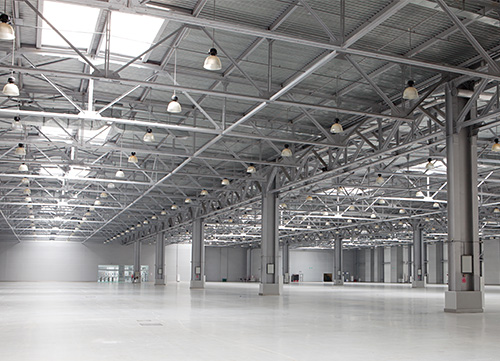
One easy way to gauge a warehouse or manufacturing plant ‘s effectiveness is to check how clean it is. Cleaner facilities are more productive, tend to be safer, and tend to be more organized.
Whether your facility features gleaming floors or just keeps debris from packaging materials, pallets, and accumulated junk under control, being cleaner is well worth the time investment. People who work in a disorganized facility where things just feel sloppy won’t work as well. They may make more errors. They won’t have pride in the operation. An inch of dust on rack beams or beneath conveyor legs sends a message to workers. You don’t need a sparkling facility with floors so clean you could have lunch on them, but a well-lit, organized, pleasant place to work can be helpful in employee attitudes and retention.
Sortation systems in distribution is application driven – typically we are talking about order fulfillment (retail, wave pre-sorting, inbound putaway sorts), shipping (end of line carrier sortation, ship to stores), and returns. Traditional sweep sorters, cross-belt, narrow slat & shoe, or belt sorters are often thought of as “for the big guys” in large operations. SpanTech’s new TranSorter is different, and it’s rolling out at Modex 2012. A sneak peek video below:
The TranSorter is built for hard to sort items, such as fragile items that require different handling. It’s good for ultra-lightweight items, poly bags, etc. It’s scalable, flexible, and affordable due to truly modular design, a world of layout possibilities, and competitive pricing. It can also deploy quickly, with 6-8 week delivery times and a couple days installation time. If you’re planning to attend Modex, check it out.
The end of a manufacturing or distribution line is where the rubber meets the road for many operations. It’s potentially the last place where you have direct control of your product before it ships to retailers or direct customers. It’s where you can add a lot of value…or spoil a lot of value. The end of the line in many ways is more important to your company’s image as all its public relations, its websites, its brochures. It is often where your reputation can be made.
At the end of line, we package, we palletize, we stretch-wrap, we inspect, we ship. And we have the chance to add value.
Any operation with dock doors faces an uphill challenge when it comes to preserving the climate inside. In particular, air-conditioned and heated facilities must face the reality of losing large volumes of treated air when trailers must be loaded or unloaded. Managers will be asked to scrutinize every expense, and the loss of climate controlled air can be a significant expense.
Retail distribution facilities have multiple options for shipping product to store locations. They can send full pallets which must be unwrapped, unloaded, and stocked at the store location. They can send packed carts that can easily be rolled onto store floors and stocked at the point of sale. What method works best? Read the rest of this entry »
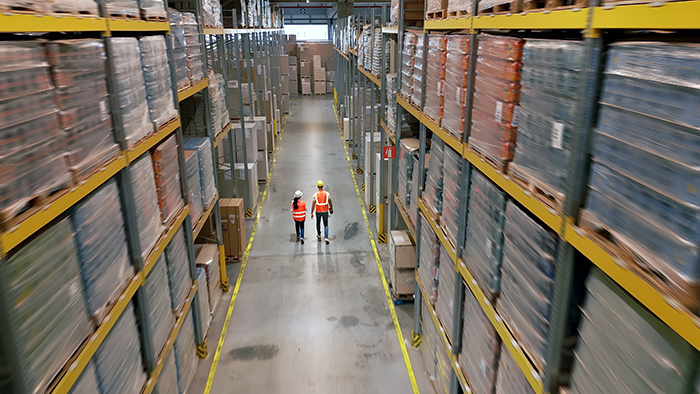
Finding qualified candidates for warehouse production work isn’t easy. This is particularly true with supervisors who understand how kitting, ticketing, and storage operations. You want people who know the work, and who can supervise and motivate your employees. Qualified candidates are often the kind of people who aren’t online perusing jobs. They aren’t going to temp agencies. It’s a unique and difficult situation for warehousing operations. Quite often, they must be bilingual to supervise an increasingly Spanish-speaking workforce.
In a pick-to-tote operation, you have the advantage of a dedicated packing function. Since totes can be “one size (or a range of them) fits all”, your pickers can easily pick and organize totes as they navigate the system, either on conveyor or in carts. They aren’t thinking of anything but getting the pick right. Trained packers at the end of the line cartonize the orders, often using state of the art packing stations and consolidated equipment & materials. This means that you’ll have at least two employees (the picker(s) and the packer) touching each order, and that the packing group will need more square footage. What if you decided to pick directly to cartons, eliminating the totes and reducing or eliminating the packing group?
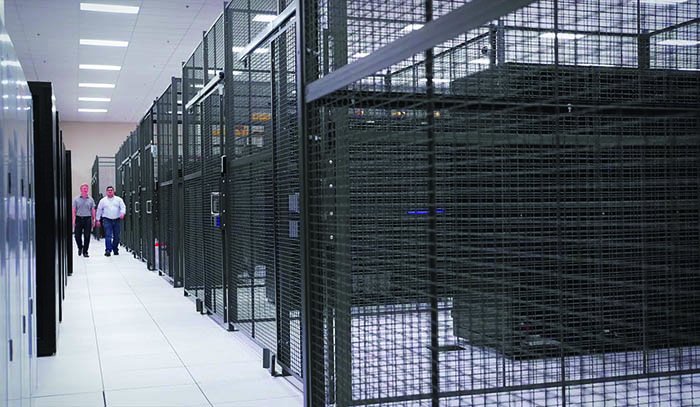
When it comes to storing controlled substances, in particular prescription drugs, the warehouse and bulk storage aspects are important for pharmaceutical, hospital central supply warehouses, or retail outlets. This is an area where many people who should not have access to medication may find easier opportunities for pilferage. The FDA offers some guidelines on how to operate securely, and within regulations. State licensing laws will typically reflect the minimum Federal requirements, but may exceed those, when it comes to the storage and handling of prescription drugs.