








Your shopping cart is currently empty.
| Step | Process stage | Outcome | Purpose |
|---|---|---|---|
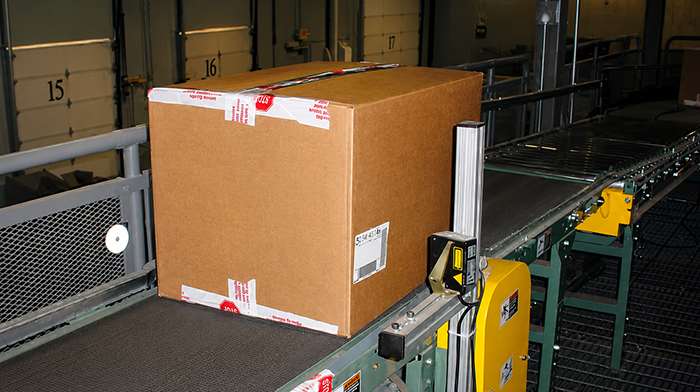
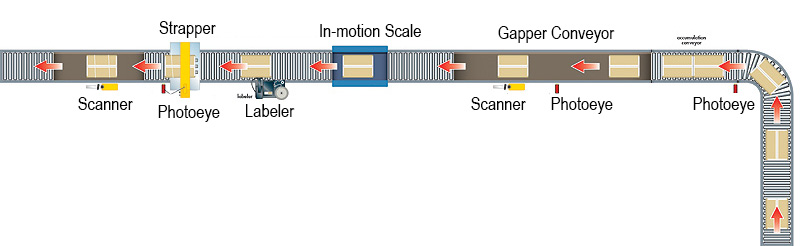
| 1 | Carton induction | Packed cartons enter the conveyor system in single file with an existing internal identification barcode label. | Provides product and shipment identification for downstream automation. |
| 2 | Carton gapping | A gapper conveyor accelerates cartons to create consistent spacing between cases. | Ensures reliable barcode scanning and proper timing for downstream equipment. |
| 3 | Barcode scan | A fixed-position barcode scanner reads the internal tracking barcode and sends the information to the control computer. | Identifies the shipment and initiates creation of the carrier shipping label. |
| 4 | Shipping data generation | Control software generates the required carrier shipping information using the scanned barcode data. | Prepares shipment information automatically without manual data entry. |
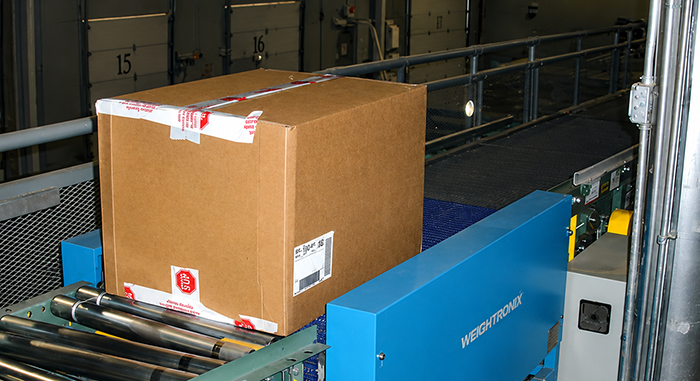
| 5 | Dynamic weighing | The carton travels across an in-motion conveyor scale where its weight is automatically captured. | Records shipment weight for carrier records while maintaining continuous product flow. |
| 6 | Print-and-apply labeling | The labeling system prints the carrier shipping label and applies it to the side of the moving carton. | Eliminates manual labeling while providing consistent label placement. |
| 7 | Exception handling | If the initial barcode cannot be read, the system flags the carton and diverts it to a rework loop. | Prevents unidentified shipments from continuing through the shipping process. |
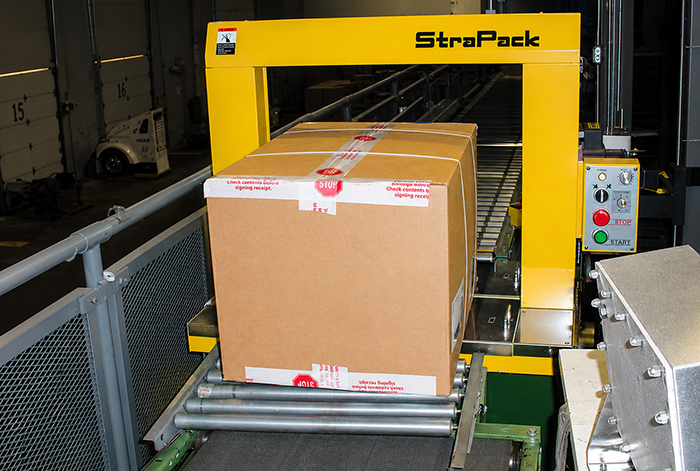
| 8 | Automatic strapping | Heavier cartons are automatically strapped with polypropylene bands before shipment. Photoeyes help control carton spacing through the strapper. | Secures loads for transit while helping prevent jams and misfeeds. |
| 9 | Label verification | A second barcode scanner confirms that the carrier label has been successfully applied and is readable. | Provides quality assurance before the carton leaves the labeling area. |
| 10 | Reject decision | Cartons with missing or unreadable shipping labels are automatically diverted to a reject loop for correction. | Reduces shipping errors and keeps problem cartons out of the outbound flow. |
| 11 | Outbound routing | Verified cartons continue to outbound takeaway conveyors for sorting and shipment. | Completes the automated shipping process with minimal operator intervention. |
Results
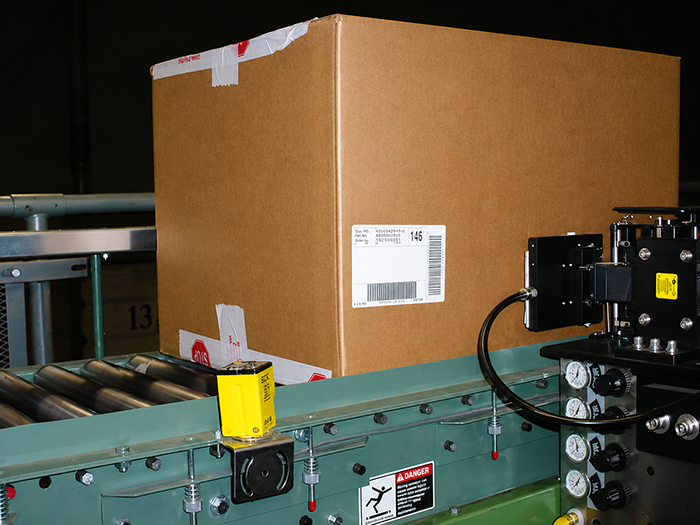
Before automation, employees manually scanned cartons and applied shipping labels. After implementation, the operation reduced the number of associates required at the labeling station while significantly increasing productivity.
Shipping throughput increased from approximately 4-5 cartons per minute to 7-10 cartons per minute, allowing the distribution center to process substantially more outbound shipments without increasing staffing.
Operational efficiency, measured as cases processed per labor hour, increased by nearly 50% immediately after startup and continued improving as operators became familiar with the system. The facility ultimately achieved sustained productivity levels of approximately 50 to 60 cases per labor hour.
Although the automated process introduced a very small labeling error rate of less than 0.1%, the gains in labor efficiency, throughput and overall productivity delivered significant operational value while maintaining excellent shipping accuracy.
The project achieved an estimated payback period of approximately one year through labor savings, increased throughput and improved shipping efficiency.
Perhaps most importantly, the automation was implemented with virtually no disruption to downstream store operations. Shipments continued to arrive as expected while the distribution center benefited from a faster, more reliable and highly scalable shipping process.