




Keep Them Coming Back: Optimizing Returns
Make the returns process work for your business by focusing on efficiency and transparency
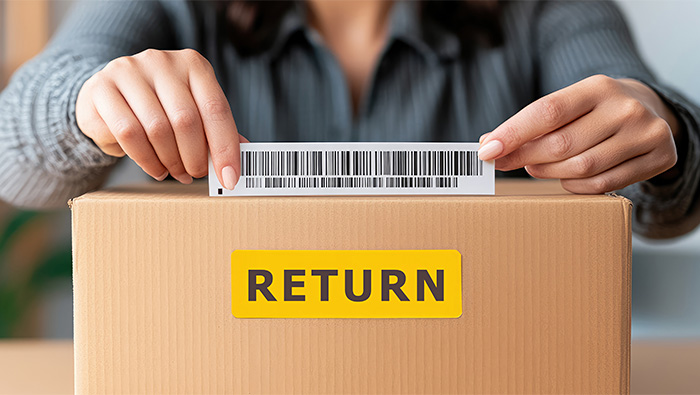
If you’re selling goods to consumers, returns are a fact of life, especially if you sell online. For 2025, customers returns are expected to reach $849.9 billion in merchandise, 19.3% of all sales. In the online sales world, that percentage was higher at 17.6%. The numbers illustrate what you probably already know about consumer behavior: online shoppers expect to be able to return items just as easily as they bought them.
If returns are not an incidental part of a business, how can you make sure the reverse logistics (the process of receiving items already sold) are working well for you?
Returns are a process with distinct steps:
- Receiving: after the customer initiates the return, your team receives the returned shipment
- Inspecting: your team checks to make sure you received the right items, documents any discrepancies, and assesses the condition of the returned items
- Sorting: classifying the items by what should happen next — will you resell them, repair them, or discard them?
- Processing: resellable items go back into stock; repairable items go through the necessary repair or refurbish process; and unusable items go on to disposal
Keeping detailed records throughout the returns process will serve you at every stage — keeping customers informed, managing returned items and giving you the data you need to evaluate your processes.
Three tips for optimizing returns
1: Collect data
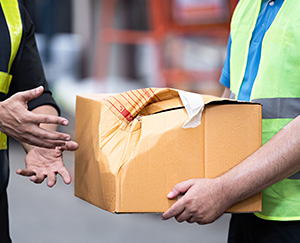
Understanding the return rates and the reasons for returns can help you prevent them in the future. A high rate of damage during shipping, for example, might reveal a need for better packaging. Or if customers often cite a gap between what they expected and what they received, you might need better photography or a clearer description of the product.
Returns statistics may also shed light on your order picking error rates. Reducing returns to 0% is probably not a realistic goal, and it likely wouldn’t be worth the cost required to achieve it. But better processes and technologies can blunt high error rates, and knowing your percentages can help you see where you most need to improve.
2: Make return policies clear and effective
Clarity counts. Make sure customers understand the steps to take to initiate a return, as well as when they can expect a refund or replacement. If you do not accept returns on certain items, make sure that information is easy to see during the ordering process. Clarity helps you meet or exceed customers’ expectations by setting those expectations in the first place.
When it comes to creating a return policy, don’t discount leniency. As cost-intensive as returns can be, a generous policy — within reason, of course! — can pay off.
Finally, make sure to review your policies regularly and adjust them where needed.
3: Maximize customer experience
The purpose of offering returns is to keep customers happy. Happy customers come back, and they speak well of your business when given the opportunity. So the principles of good customer service can serve as a framework to guide your behavior in the returns process.
Transparency is an important component of good service. A well-designed system enables you to keep customers informed as you receive returned items, issue refunds or send replacements. Informed customers are happier customers, even when they’ve experienced a problem with their order.
Also, think speed. A fast turnaround communicates that you care about customer experience. You can maximize return efficiency by optimizing the space you give to processing returns, making sure your team has the tools they need to get the job done quickly.
Fortunately, any technology that improves inventory management can also improve reverse logistics. Amanda Miller in our Systems Integration Group says sometimes it helps to make your returns area a smaller version of your order fulfillment process.
Tools you can use
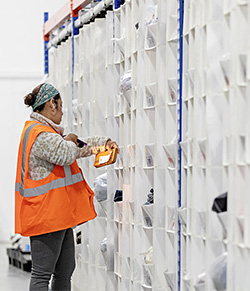
- Any kind of storage that keeps things organized is important. Most returned items will need to be inspected, and they might have to wait until authorized personnel can get there. So you don’t want this area to get messy. Even something as simple as divided shelving can help.
- Don’t overlook security. You may need tighter inventory control in your returns area, at least for the products that are most likely to walk away. Security cages and wire panels can help you store products safely.
- Workstations that fit the task always save time, and that’s no less true in the returns area. Keeping computers, printers and needed supplies within easy reach, with a big enough work surface, can help your returns staff operate more quickly and efficiently.
- Returns can generate a lot of trash. For high enough volume operations, you can automate dunnage removal with trash conveyors to keep the area tidy. You can also automate things like tote or carton delivery. Workers can grab a tote from an overhead line when they need one, rather than having to walk to one.
It’s not over until it’s over
We rightly spend a lot of time designing order fulfillment systems. What happens after a customer receives an order is just as important as everything that leads up to that point. Optimizing your returns process allows you to keep customers happy — as cost-effectively as possible.
Jessica Haring