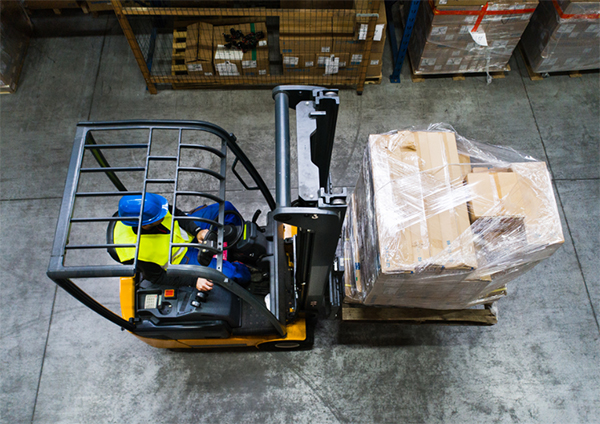


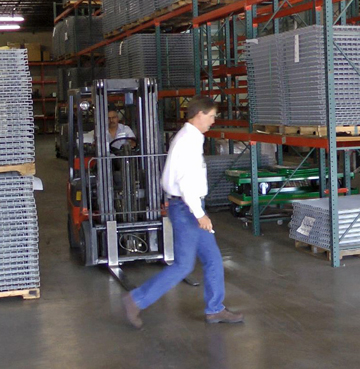
In recent years, many vendors have created products to help increase pedestrian safety in warehouses, factories, and other areas where forklifts operate. This is no wonder: accidents in this area are far too frequent, and often very devastating or even fatal. Because Cisco-Eagle provides such solutions, we have been asked about the compliance of these products to industry standards, such as the AIAG’s Pedestrian & Vehicle Safety Guidelines.
OSHA estimates 85 deaths, 35,000 serious injuries, and another 62,000 non-serious injuries. More than 11% of forklifts are involved in these accidents every year, meaning that the forklift in your warehouse is statistically destined to have an accident before it goes out of service.
Almost 40% of forklift-related accidents involve a pedestrian
And this doesn’t take into account the accidents that damage property, but don’t hurt people. Forklift-to-forklift collisions, or forklift colliding with warehouse racks aren’t included in these numbers if people aren’t injured.
Take a look at your conveyor – do you think it’s safe? Are there sufficient guardrails? Are operators wearing loose clothing? Are visitors allowed near running lines? Because conveyor seems safe at a glance, it’s an often-overlooked hazard. Used correctly, of course, it is a safe way to increase productivity.
In an industrial environment, intersections can be dangerous. With fast-moving workers who are busy and probably distracted, and fast-moving forklifts that may have loads elevated that can obstruct the driver’s view, corners, ends of rack rows, and intersections can be the cause of many accidents. Whether it’s a worker walking and carrying a load, or a forklift on its way to the next pick, the chances of collisions, injuries, and damages are greater at intersections than most anywhere else. What are your options when it comes to making your intersections safer?
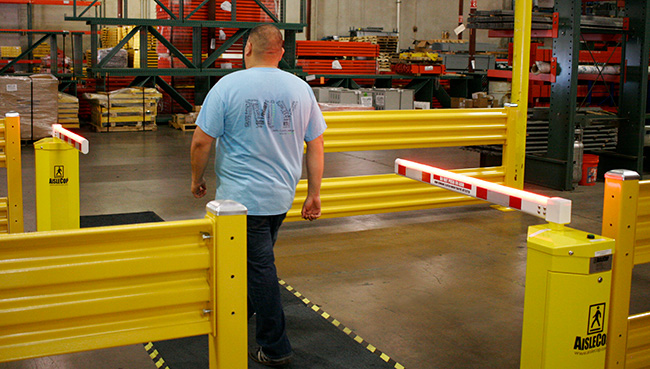
We see two kinds of operations that have utilized AisleCop® forklift safety gate systems. The first are those companies who have defined traffic plans and are looking to prevent possible accidents in high-risk, limited-visibility, or heavy-traffic aisles. They foresee potential accidents and are taking measures to prevent them. The second kind are companies who have had an incident, or a near-miss.
Shipping & receiving docks are a particularly dangerous area of most operations because so much activity takes place in a confined space. You have truck loading, unloading, staging, inspections, and much more. You have people like order pickers, drivers and guests potentially in the mix. In your average warehouse, the docks take up 20% of the square footage but host 80% of the activity. As you know, at times that activity can be fast-paced – even frenzied as full pallets are taken in, or loaded ones are being loaded into trailers. This is a time rife with possibilities for accidents. How can you prevent them?
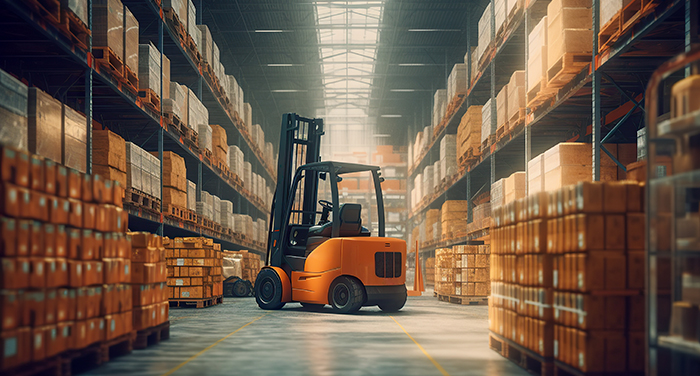
Most forklift accidents are blamed on operator error, but that is just partially true – and something of a cop-out. Rough estimates say that a quarter of forklift accidents could be avoided by addressing environmental concerns. When you eliminate those, it helps you understand better when a driver is truly ineffective, or just hamstrung by the way your warehouse is set up. In other words, before you point the finger at the driver, take a look at your operation. Read the rest of this entry »
At this time of the year, many companies find the need to maintain open access to dock doors and warehouses without letting heat and other environmental controls escape into the cold. The obvious solution has been to install vinyl strip doors, which allow easy access to foot and lift truck traffic while they also keep climate-controlled air in – and cold air out.
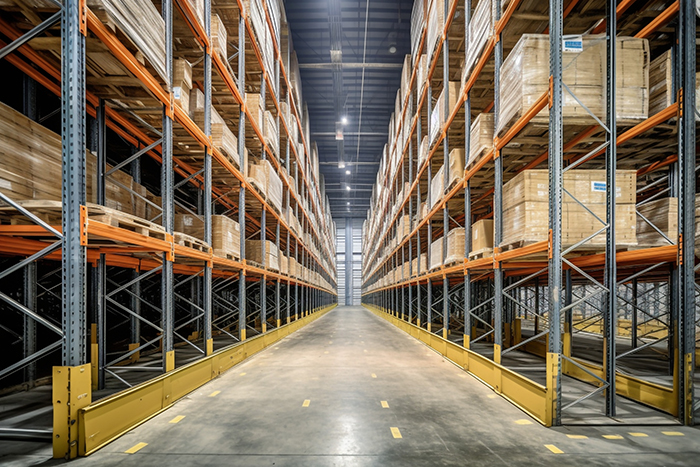
When you are running an operation with lots of racking, it isn’t uncommon to have to replace an occasional upright or beam, or to add new bays onto an existing row. Sometimes you cannot avoid it, as the rack was purchased years ago, by someone else, or from a source you can’t even locate. It might be that you bought used rack and need to fill some gaps in, or it may be perfectly good, 10-year old rack that just needs some damaged components replaced.
This is done all the time, and although it isn’t an optimum situation for rack stability and safety, you can minimize the issues by following the following guidelines: