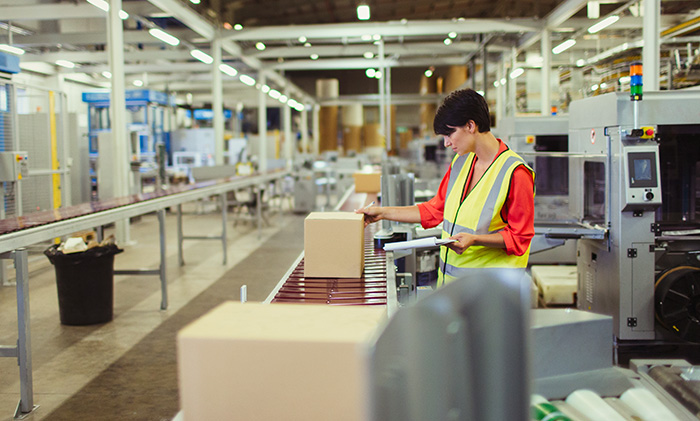



While the landscape has never been less certain, warehousing and manufacturing professionals must still plan for 2026 and beyond. This post rounds up authorities on what to expect the next few years and how experts advise you to factor in these trends in trade, technology, artificial intelligence and more.
Read the rest of this entry »
Insights March 2026: Strategic Planning for Industrial Operations
Posted in Industry Insights|
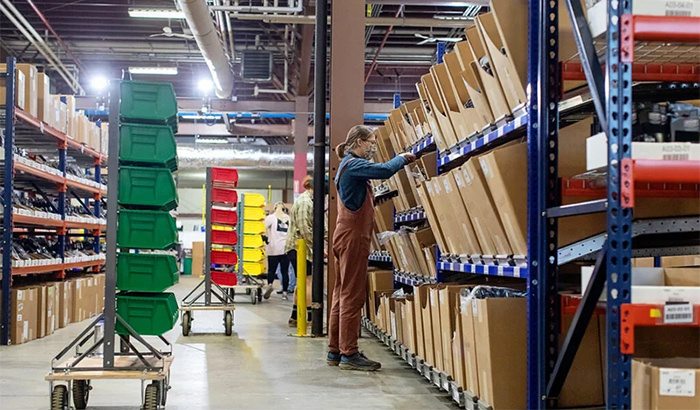
The Golden Zone Is a Moving Target: Slotting for High-SKU Warehouses

Warehouse efficiency doesn’t fail all at once. Instead, operations slow down quietly. A few extra steps per order. A little more reaching. More waiting. Congestion forms up when you’re not thinking about it. Over time, the operation becomes heavier, less fluid, and more expensive without anyone noticing exactly when it happened.
In many cases, the cause isn’t labor, effort or faulty equipment. It’s geography.
Posted in Order Picking & Fulfillment|
Why the Best Warehouse Designs Balance Density and Access

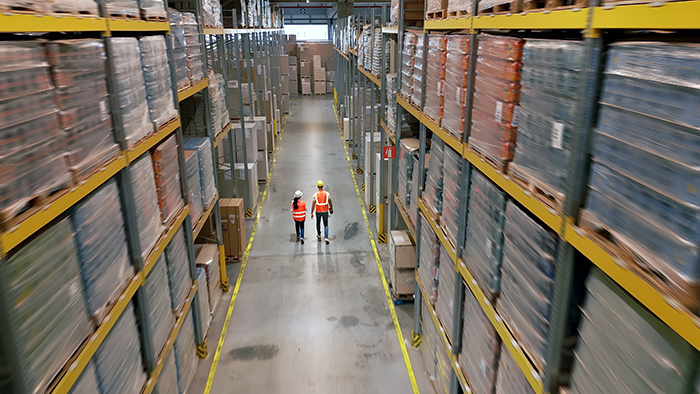
Warehouse buildings have been getting taller: what was once a 16 to 18 foot clear-height facility is now commonly 32 to 40 feet. The logic is straightforward: taller buildings unlock more vertical storage, allowing operators to store more product without expanding the footprint. If you’re in an expensive, landlocked area and need more storage, you need to unlock every vertical inch. High bay pallet rack systems let you use all that air space and can massively increase storage density.
This is a good thing. Until it isn’t.
Posted in Pallet & Warehouse Racks|
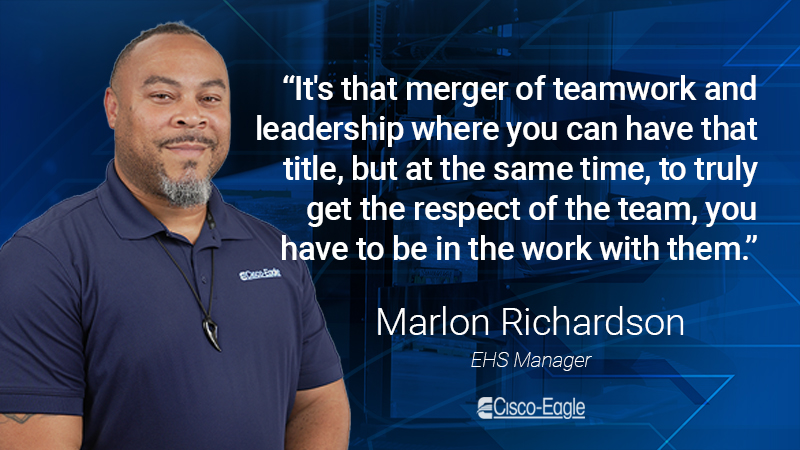
Employee Spotlight – Marlon Richardson

In this edition of the Employee Spotlight, we talk with Marlon Richardson, Safety Manager for Cisco-Eagle. We caught up with Marlon to discuss the philosophy of the “invisible win,” his journey from the Coast Guard to the ESOP, and the intuitive rhythm of a safe warehouse.
Posted in ESOP & Company News|
Keep Them Coming Back: Optimizing Returns

If you’re selling goods to consumers, returns are a fact of life, especially if you sell online. For 2025, customers returns are expected to reach $849.9 billion in merchandise, 19.3% of all sales. In the online sales world, that percentage was higher at 17.6%. The numbers illustrate what you probably already know about consumer behavior: online shoppers expect to be able to return items just as easily as they bought them.
If returns are not an incidental part of a business, how can you make sure the reverse logistics (the process of receiving items already sold) are working well for you?
Posted in Warehousing & Distribution|