

Cisco-Eagle Logo

Ergonomic Safety Tips for the Warehouse

April 2, 2015

Warehouse workers

Everyday functions of most warehouses and industrial operations fall within the realm of manual material handling–constant lifting, bending, stretching, reaching, pushing and otherwise manipulating materials by physical force. People are moving cartons, picking orders, reaching for packing materials and performing other tasks. Manual material handling contributes to musculoskeletal disorders, to the tune of more than 500,000 reported annual reported cases of strains and stress in shoulders, backs, arms and legs.

While you can never eliminate it, you can reduce the worst aspects of it. Let’s dive into some ways.

Read the rest of this entry »

Tags: , , , ,
Posted in Safety & Ergonomics|

When to Use Lift-Out Guardrails

February 24, 2015

lift-out steel guard rail
Steel guard rail is one of the best–and most economical–accident prevention tools in a facility’s safety arsenal. It helps keep workers safe from forklift traffic, protects valuable equipment from potential damage, and even guards ends of pallet rack rows. But there may be times when you need forklift or cart access to protected areas (or simply don’t want to step over or around railing). How do you handle those situations? How often are you having to remove your guard rail and then reassemble? There’s a better way available — lift-out rail systems.

Read the rest of this entry »

Tags: , , , , ,
Posted in Safety & Ergonomics|

Forklift Safety Steps to Take Before Every Shift

October 10, 2014

Forklift raising pallet load onto pallet rack
Fork lifts are the mules of the industry, and we expect them to just power up and run when we need them to, but there are some very important safety aspects that should be taken care of before every shift. Safety steps that lengthen the service life of the vehicle, assure the vehicle operates as it should, and helps make it more visible to others working in the same space with the forklift. Read the rest of this entry »

Tags: , , , ,
Posted in Safety & Ergonomics|

Ways to Safely and Efficiently Transport Pallets Without a Forklift

September 5, 2014

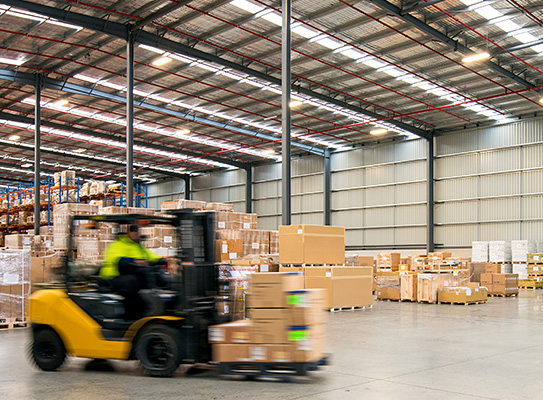
forklift carrying a heavy loaded pallet in a warehouse

Forklifts are ubiquitous in warehousing and other industrial operations, but aren’t necessary in many other applications, such as small assembly shops, retailers, auto dealerships, and others that require materials movement but do not need a forklift, with its maintenance costs, safety issues, driver requirements and its footprint in a smaller facility. What methods can you use instead?
Read the rest of this entry »

Tags: , , , , , ,
Posted in Safety & Ergonomics|

Guard Rail: When, Where and What

August 15, 2014

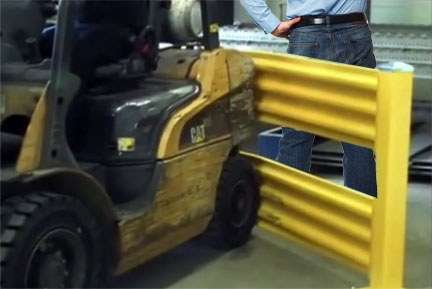
Forklift stopped by guardrail

Choosing guard rail can be confusing unless you understand clearly what kinds of conditions you are protecting against and what assets you are protecting. Whether it be fall protection for workers or asset protection from industrial vehicle usage, there is a guard rail that fits that need.

Read the rest of this entry »

Tags: , , , ,
Posted in Safety & Ergonomics|

The Relationship between Safety and Facility Layout

August 4, 2014


warehouse-space

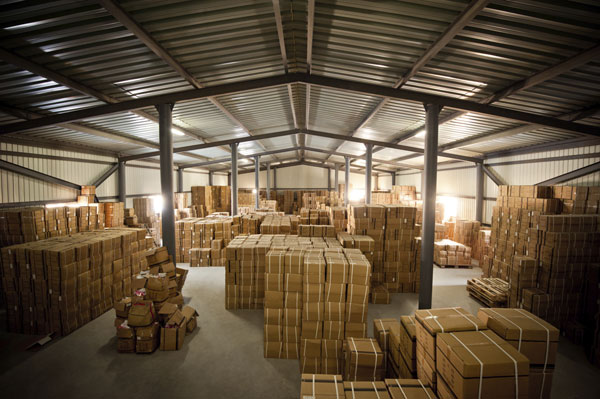
Facility layout is a complex and sometimes frustrating process. You’re often limited by budget, space, time, or scheduling beyond your control. What factors should you consider when you allocate space, either in a new facility or a redesigned one? Facilities are sometimes designed without consideration for the space EHS compliance may consume. When that happens, your usable footprint shrinks, leading to a production facility that isn’t truly space-optimized.

Read the rest of this entry »

Posted in Safety & Ergonomics|

Curtains and Dividers Help Retain Climate, Protect Products

July 18, 2014

When I was a kid, on rainy days my friends and I used  kitchen chairs, old blankets and lots of clothespins and built our own special space for imaginary adventures. Our rag-tag shelter was temporary, but gave us the sensation of being in our own little world. Frequently, in manufacturing and warehousing facilities, work zones and independent departments need separation from the larger whole for either safety or autonomy purposes, and there are products out there that answer those needs. Products like curtain walls, acoustic walls, thermal barriers and welding screens. Read the rest of this entry »

Tags: , , , , , , , , ,
Posted in Safety & Ergonomics|

Prevent Forklifts from Cutting Corners

April 24, 2014

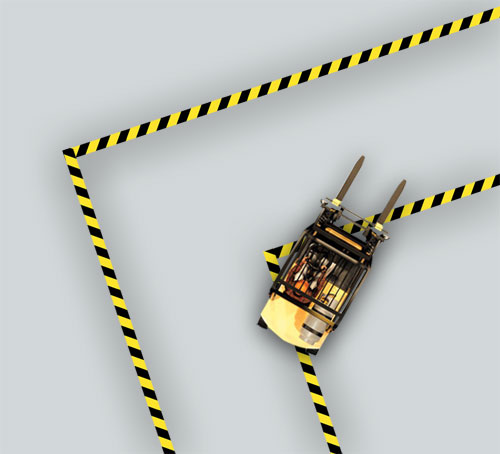
forklift aisle with striping

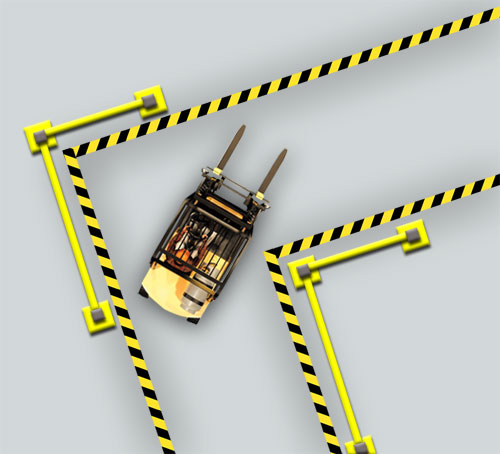
forklift aisle with guardrail corners

It’s always dangerous when forklifts and people inhabit the same work areas.

You’ve probably heard the statistics when it comes to the forklift and its safety, but one of the most disturbing is the injury rate compared to incident rate. Forklifts cause just 1% of industrial accidents, but are responsible for a staggering 10% of all injuries in the space. So what can you do to help keep people and industrial traffic separated?

Read the rest of this entry »

Tags: , ,
Posted in Safety & Ergonomics|

Another Reminder: The Importance of Lockout/Tagout

December 19, 2013

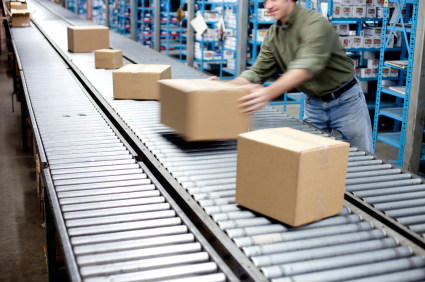
Conveyor order picking

We talk safety a lot,  mainly because the environment we work in, and the customers we work with use equipment like forklifts and conveyors in areas where interaction with people is unavoidable. We believe the first responsibility we have to our customers, and the first responsibility our customers have to themselves, is safety. Many of the wonderful benefits of material handling equipment comes with the risk of injury. It’s powerful machinery, and people must pick from it, walk near, it or otherwise interact with it.

Read the rest of this entry »

Tags: ,
Posted in Safety & Ergonomics|

Safety Automation vs. Safety Training for Warehouse Operations

September 26, 2013

yellow hard hat hanging in an industrial space

According to the United States Department of Labor’s Bureau of Labor Statistics there are currently more than 691,000 warehousing and storage workers on the job in the United States, and that’s probably a low number, given that many factories and other commercial facilities have warehouse or restock areas that may not be classified that way.

With that many people constantly working in or around potentially hazardous materials, forklifts, near storage areas, and around machines, safety concerns and strategies are a primary issue for warehouses, factories and other industrial operations. Where do you start when you’re working toward a safer operation? Is training enough? Will equipment and systems work on their own?

Read the rest of this entry »

Posted in Safety & Ergonomics|

Read our customer reviews