




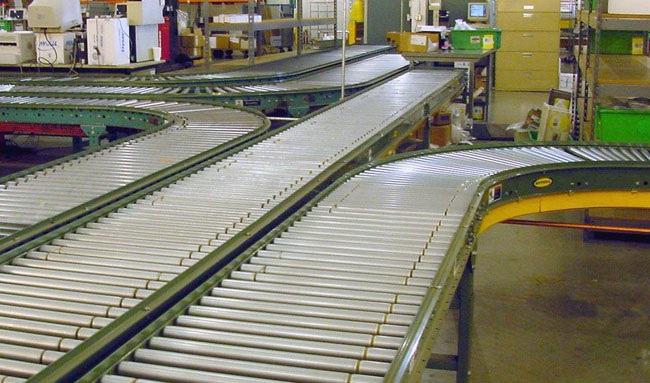
Some conveyors are specifically modular. They’re meant to be moved around, plugged in and reconfigured. But most conveyors are semi-permanent, and occupy space for extended periods of time. When you want to re-use existing conveyors in new roles, move all or part of a system between facilities, or just reconfigure an area using the equipment you already have, you can save money, but there are some things to know to help ensure everything works smoothly.
Moving, Reusing and Reconfiguring Conveyor Systems
December 11, 2018
by Scott Stone
Tags: ROI
Posted in Conveyor Optimization|
Ways to Increase Order Picking Speed
December 4, 2018
by Scott Stone
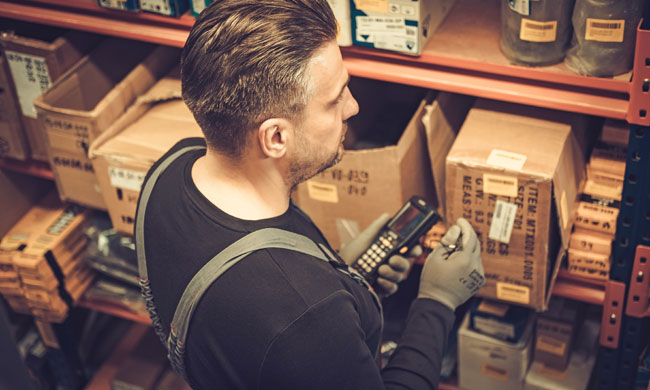
Years ago, direct-to-customer fulfillment was a niche business, dominated by catalog companies. Most distribution was mostly retail-oriented, with pallets of items shipping to store locations rather than to millions of front porches. Sometimes, retail brands would allow customers to order at stores and have their purchases shipped directly to their homes, but it wasn’t nearly as common. Today, speed from placement to shipment has become critical. Let’s dive into some ways you can improve this crucial warehouse metric.
Tags: conveyors, ROI, ecommerce
Posted in Order Picking & Fulfillment|
Shoptalk: Measuring Warehouse Guard Rail for a Perfect Fit
November 6, 2018
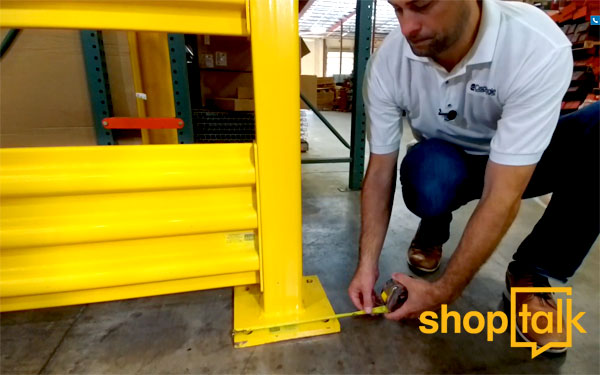
In the first installment of Cisco-Eagle’s new video series, Shoptalk, Taylor reviews how to measure Steel King Steel Guard rail for a perfect fit into your space.
Tags: Shoptalk
Posted in Safety & Ergonomics|
How to Manually Pick Heavy & Bulky Items from Pallet Rack Aisles
November 1, 2018
by Scott Stone
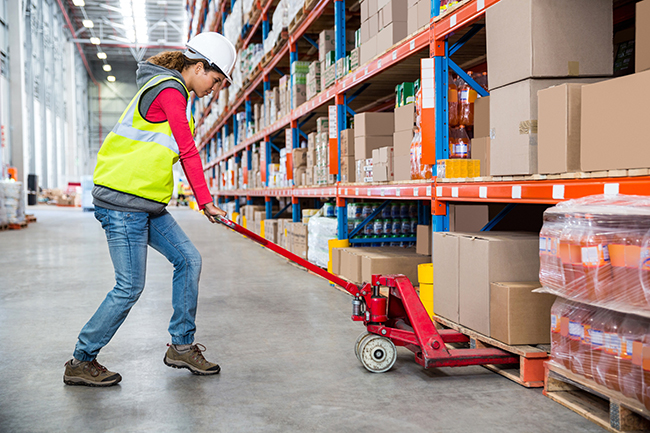
In many warehouses, the floor level of a rack aisle is used for pallet storage. Those slots are frequently designated for manual each or carton picks. These loads can be most anything, up to heavy dies, compressors, parts or bulk item containers.
Posted in Pallet & Warehouse Racks|
How to Convey Poly Bags & Envelopes
October 18, 2018
by Scott Stone

The shift from traditional retail to e-commerce is accelerating, and with that growth there are both challenges and opportunities for order fulfillment operations. Companies that spent decades perfecting retail distribution (large, bulk orders to a network of stores) are shifting toward direct-to-consumer shipments that are orders of magnitude more difficult to manage.
Among other things, this means that e-commerce companies must focus on optimal packaging.
Tags: Order Picking & Fulfillment, ecommerce, order fulfillment
Posted in Conveyor Optimization|
How to Measure Conveyors
October 9, 2018
by Scott Stone
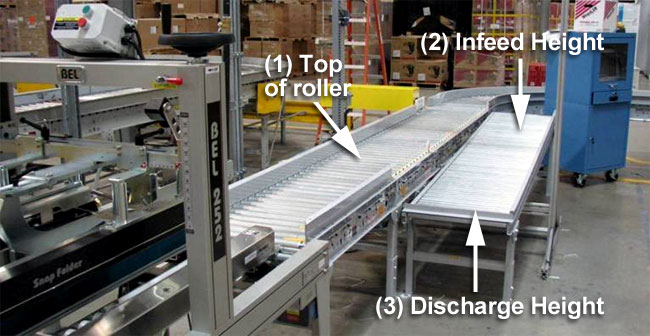
This is part three of our guide to measuring material handling equipment. When you want to lay out a conveyor, there are methods to measurement that can ensure the equipment fits where you need it to, interfaces with machinery, matches work station heights, and other critical measures.
Tags: Space Optimization
Posted in Conveyor Optimization|
A Step-by-Step Safety Process for Forklifts and Pedestrians
October 2, 2018
by Scott Stone
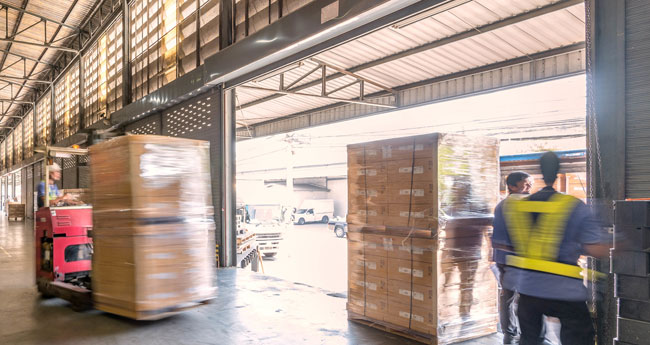
When it comes to protecting pedestrians from forklift accidents, focus on processes—the ways you segment, train, manage and work on a daily basis. Preventable accidents happen when a process is absent. When it comes to forklifts and pedestrians, accidents are far too common and frequently serious.
Tags: Safety & Ergonomics, facility safety, forklift fatality, Process Management, warning systems
Posted in Forklift - Pedestrian Safety|
A Video Guide to Extendable Conveyors
September 20, 2018
by Scott Stone
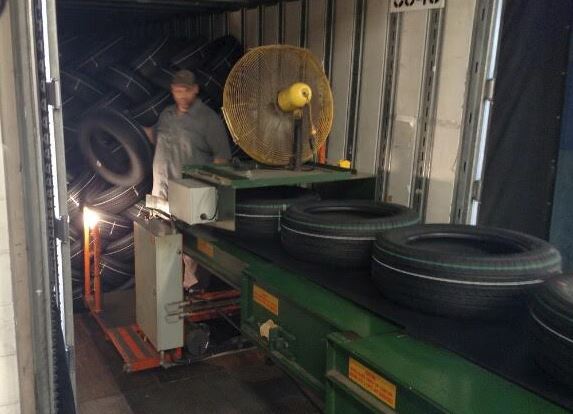
Warehouses have always had problems with the point in their material handling system where docks or shipping areas meet the production line. For lack of a better word, these are awkward areas where it’s difficult to handle product in that dead zone between the end of a material handling system and truck trailers.
Read the rest of this entry »
Tags: Video
Posted in Conveyor Optimization|
AisleCop: Pedestrian or Forklift Priority?
September 18, 2018
by Scott Stone
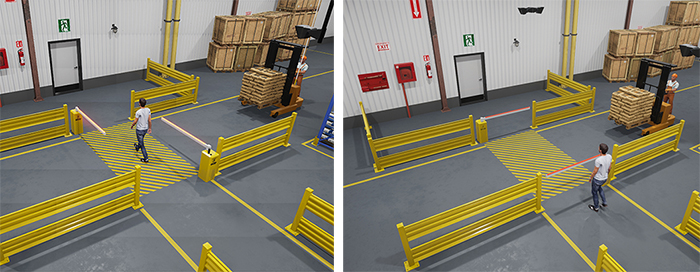
Above, left: pedestrian priority AisleCop system, where pedestrian gates default to open. On the right, forklift gates are open until the system triggers to allow a pedestrian to cross the aisle.
Forklift safety systems are usually designed to restrain pedestrians, not forklifts
The reasoning for this choice is simple: it’s the same one that usually allows cars to have the right-of-way on public streets.
It fits the operational needs of most warehouses and industrial facilities, but that’s not something that’s true in every case. Let’s go through your options for managing a pedestrian crossing in your facility using the AisleCop® system.
Posted in Forklift - Pedestrian Safety|
Measuring Your Facility, Part 2: Common Obstructions & Interferences
September 13, 2018
by Scott Stone

In part one of this series, we discussed the fundamentals of facility measurement and the impact building column types and spacing can have. The most common issue people have with layout tends to be building columns, but working with obstructions is a close second. Let’s break down the common obstructions that can throw off your measurements.
Posted in Space Optimization & Planning|