




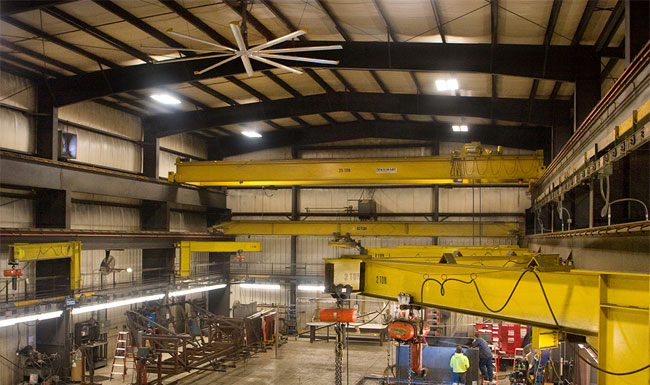
Warehouses, shop floors, and manufacturing facilities can be difficult environments for workers, and heat makes it even harder. Hot days and hard work conspire to reduce productivity and increase errors. We’ve found some research that spells out exactly how much, and have some recommendations to reduce the issues.
How Heat Saps Warehouse Productivity, Causes Errors and Reduces Retention
April 2, 2019
by Scott Stone
Tags: labor, ROI
Posted in Safety & Ergonomics|
Crossing Conveyor Lines: The Options
March 19, 2019
by Scott Stone
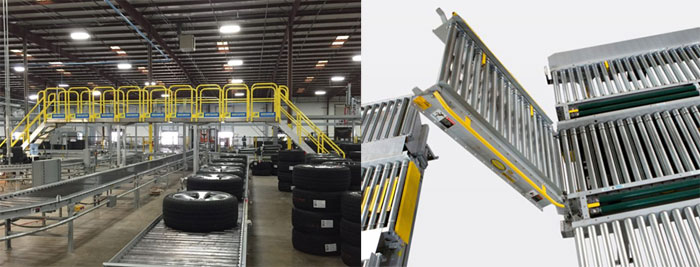
The extensive conveyor lines that snake through many distribution facilities allow operations to transport, buffer and direct loads in a way that takes the best possible advantage of space. These conveyor systems are essentially the core around which a lean, efficient material handling operation is built, but they also create barriers to people moving around the facility since they can block the flow of foot traffic.
Tags: Shoptalk
Posted in Conveyor Optimization|
Light-Directed Assembly for Manufacturing
March 5, 2019
by Scott Stone
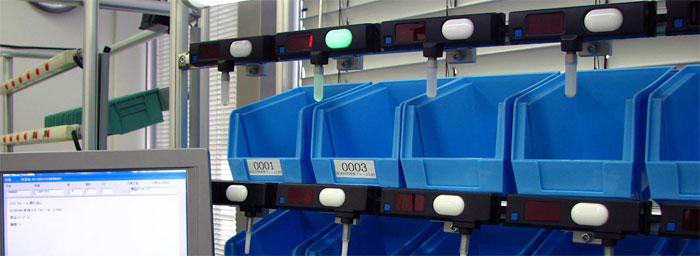
The advantages of pick-to-light for order fulfillment are well-documented: you can pick faster and more accurately without the burden of tickets or voice-activated systems. Your workforce can be trained in a fraction of the time, in a “fast food” type experience. It’s a technology that has found broader applications in many distribution centers simply because it’s a fast, easy way to improve.
Light-directed systems may have a more positive impact on assembly than they do on order picking.
Posted in Automation, Labor & Efficiency|
Conveyor Merges and Sortation: Low Volume Alternatives
February 5, 2019
by Scott Stone
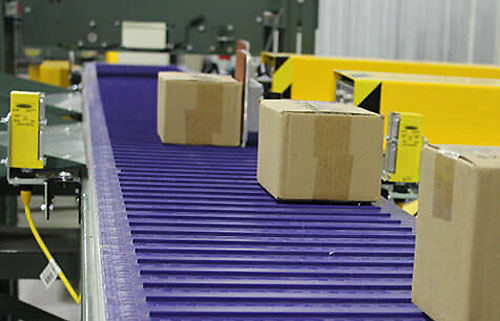
Sorting, pushing and diverting products as they are transported on a conveyor system is one of the best ways to reduce costs, improve fill rates, eliminate errors and increase throughput — and there are multiple ways to go about it. Some systems are downright plodding–pushing only a few loads per minute–while others are dizzyingly fast, pushing out hundreds of diverts per minute. This post will profile some of the lower to medium speed options at your disposal.
Posted in Conveyor Optimization|
Order Fulfillment is the First Line of a Great Customer Experience
January 15, 2019
by Scott Stone

Your most important customer satisfaction function is probably your warehouse and order fulfillment operations. Order fulfillment impacts the things customers care about most:
- Is the right product picked?
- Did I get it on time?
- Did I get the right quantity?
- Was my shipment damaged?
Tags: shipping docks, ecommerce, Customer Satisfaction
Posted in Order Picking & Fulfillment|
Innovative Ways to Secure Your Facility with Wire Partitions
January 10, 2019
by Scott Stone
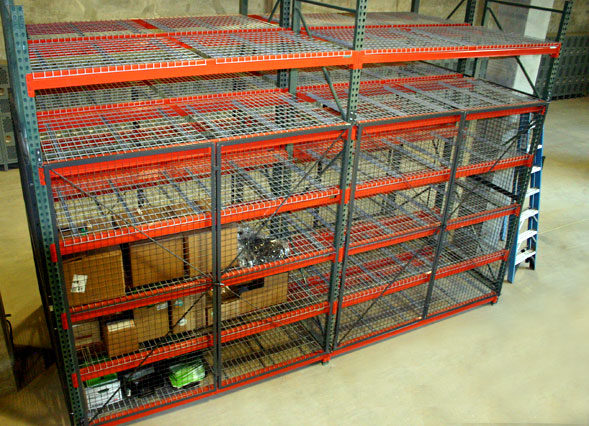
The typical application for a warehouse wire security cage is on the floor, in the plant, to create a secure storage room or tool crib. This usually means something with one to four sides, depending on the surrounding areas, a gate (or more than one), a ceiling, windows, or other additions. What are some ways you can create security beyond the simple cage?
Posted in Security|
How to Store and Handle Long, Heavy Loads: Tube, Pipe and Bar Stock
January 8, 2019
by Scott Stone
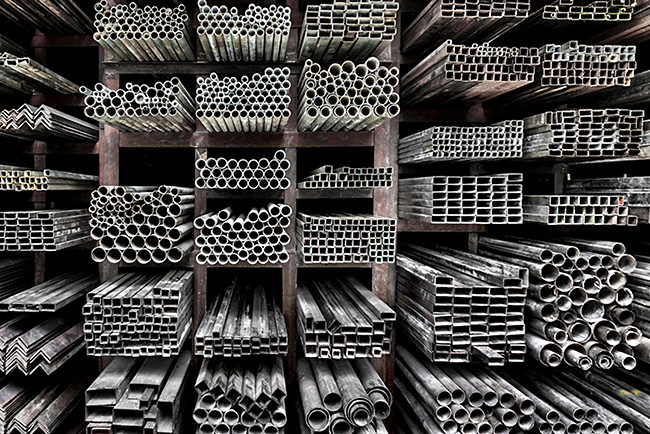
Pallet storage is easy, or at least easier than dealing with pipes and tubing
The idea behind pallets was to unitize and standardize the storage of standard blocks in racks designed to store those units. Standard units like pallets are easier store and handle. With pallets, you make sure your rack and forklifts can handle the pallet size and weight, and essentially you have a relatively dense, easily-accessed storage scheme. It’s more complicated for long, heavy loads like tube, bar stock and pipes. Let’s break down your options.
Posted in Manufacturing|
Moving, Reusing and Reconfiguring Conveyor Systems
December 11, 2018
by Scott Stone
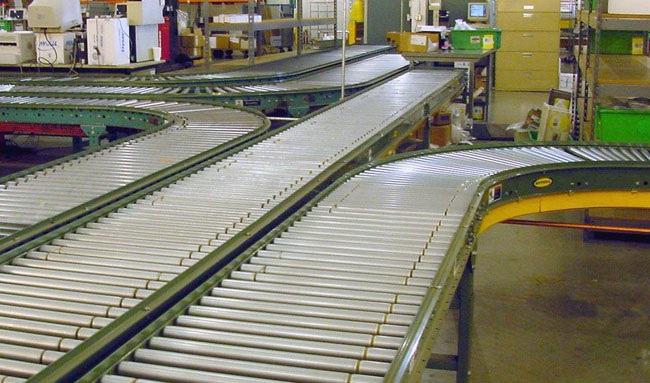
Some conveyors are specifically modular. They’re meant to be moved around, plugged in and reconfigured. But most conveyorsĀ are semi-permanent, and occupy space for extended periods of time. When you want to re-use existing conveyors in new roles, move all or part of a system between facilities, or just reconfigure an area using the equipment you already have, you can save money, but there are some things to know to help ensure everything works smoothly.
Tags: ROI
Posted in Conveyor Optimization|
Ways to Increase Order Picking Speed
December 4, 2018
by Scott Stone

Years ago, direct-to-customer fulfillment was a niche business, dominated by catalog companies. Most distribution was mostly retail-oriented, with pallets of items shipping to store locations rather than to millions of front porches. Sometimes, retail brands would allow customers to order at stores and have their purchases shipped directly to their homes, but it wasn’t nearly as common. Today, speed from placement to shipment has become critical. Let’s dive into some ways you can improve this crucial warehouse metric.
Tags: conveyors, ROI, ecommerce
Posted in Order Picking & Fulfillment|
How to Manually Pick Heavy & Bulky Items from Pallet Rack Aisles
November 1, 2018
by Scott Stone
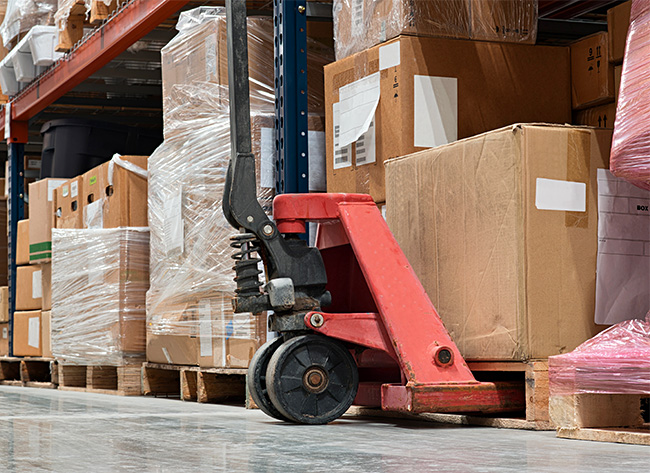
In many warehouses, the floor level of a rack aisle is used for pallet storage. Those slots are frequently designated for manual each or carton picks. These loads can be most anything, up to heavy dies, compressors, parts or bulk item containers.
Posted in Pallet & Warehouse Racks|