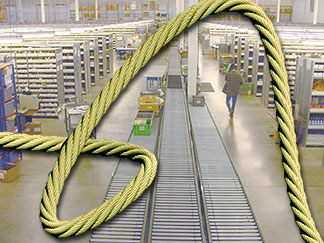



Over at the Operations & Fulfillment site, Curt Barry has written a brief, informative piece on reducing warehouse costs. In particular during a difficult economic climate, cost reduction is at the top of mind for distribution operations.


Over at the Operations & Fulfillment site, Curt Barry has written a brief, informative piece on reducing warehouse costs. In particular during a difficult economic climate, cost reduction is at the top of mind for distribution operations.
Tags: distribution center, product slotting, warehouse productivity, ROI, labor management
Posted in Warehousing & Distribution|

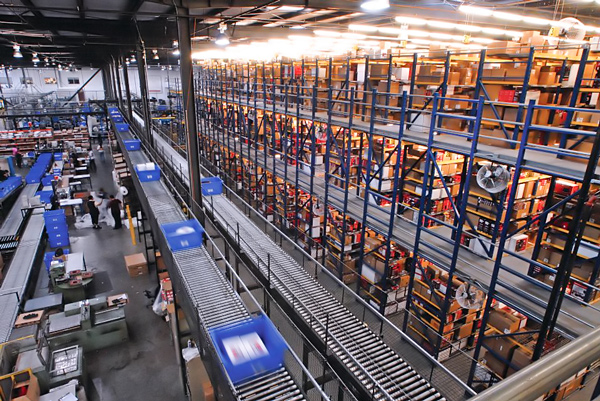
The amount on your purchase invoice isn’t the last time you’ll pay for that conveyor, but those ongoing costs of operations can be dramatically reduced by making good decisions at the point of purchase. Conveyor systems designed for future considerations slash costs and perform better.
Tags: Conveyor, warehousing, conveyor systems, ROI, Sustainability
Posted in Conveyor Optimization|

Shipping & receiving docks are a particularly dangerous area of most operations because so much activity takes place in a confined space. You have truck loading, unloading, staging, inspections, and much more. You have people like order pickers, drivers and guests potentially in the mix. In your average warehouse, the docks take up 20% of the square footage but host 80% of the activity. As you know, at times that activity can be fast-paced – even frenzied as full pallets are taken in, or loaded ones are being loaded into trailers. This is a time rife with possibilities for accidents. How can you prevent them?
Tags: forklift safety, shipping & receiving, Safety & Ergonomics, dock layout, warehouse safety
Posted in Docks & Shipping|

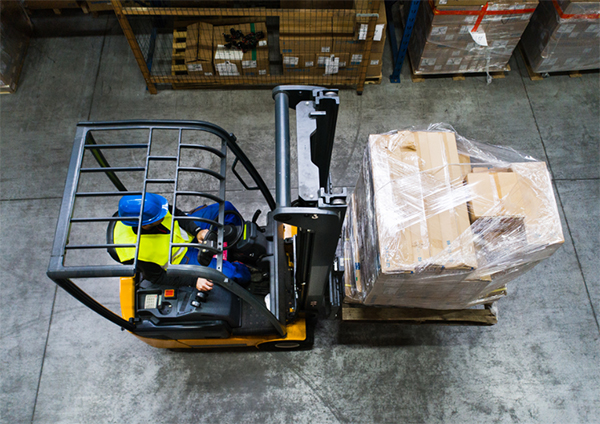
Most forklift accidents are blamed on operator error, but that is just partially true – and something of a cop-out. Rough estimates say that a quarter of forklift accidents could be avoided by addressing environmental concerns. When you eliminate those, it helps you understand better when a driver is truly ineffective, or just hamstrung by the way your warehouse is set up. In other words, before you point the finger at the driver, take a look at your operation. Read the rest of this entry »
Tags: OSHA, warehouse safety, forklift safety
Posted in Forklift - Pedestrian Safety|

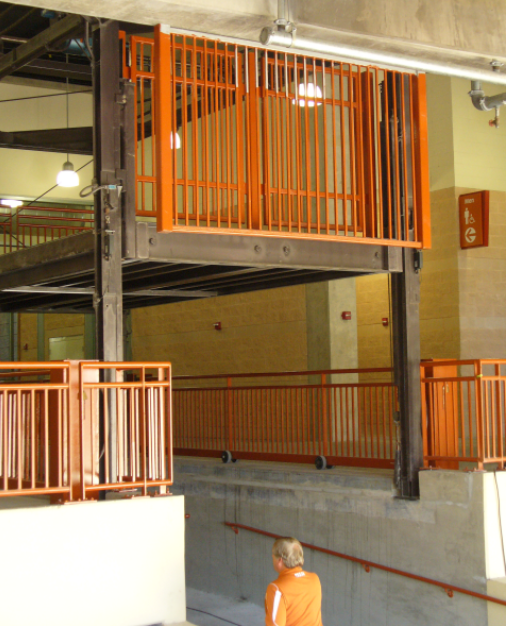
Typically, you see Vertical Lifts deployed in heavy industrial settings. They’re frequently used in multilevel facilities, in manufacturing plants, or paired with a mezzanine. Cisco-Eagle’s Houston office broke that mold by implementing a lift in a unique application: to help the University of Texas marching band access the field.
Tags: Material Handling, pflow, vrc, Lifts
Posted in Lifting & Lift Systems|
You can see some of the mistakes happening in this video. Others aren’t so obvious.
Tags: warehouse safety, pallet racks, forklift safety, industrial accident
Posted in Safety & Ergonomics|

If you’ve ever stopped at a traffic light, and shuddered at the texting, teenage (or all too often, an adult) driver in the next lane, you probably thought this is an irresponsible person who shouldn’t be behind the wheel. Given statistics that smart phone users are impaired as drunk drivers, it’s a serious and deadly issue; most states have laws specifically forbidding texting on the road. The question is, do you tolerate that kind of distractions for forklift drivers in your warehouse? Should you have the same rules? (Short answer: yes).
Tags: warehousing, Pallet Rack, forklift safety, distracted driving
Posted in Forklift - Pedestrian Safety|

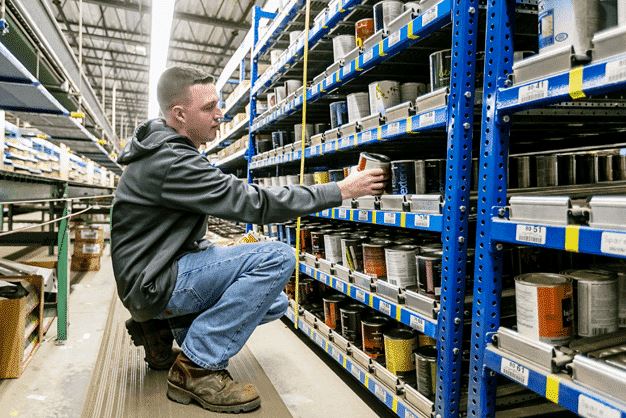
Cliff Holste at Supply Chain Digest (opens in a new window) has a good piece on ways to improve picking productivity.
Distribution centers will benefit from emerging automated case picking technologies, but those don’t fit for every operation, at every level. They’re also expensive upgrades, so your ROI has to be considered as well.
Tags: Warehouse Management, warehousing, order fulfillment, distribution center, ROI, Order Picking & Fulfillment
Posted in Order Picking & Fulfillment|

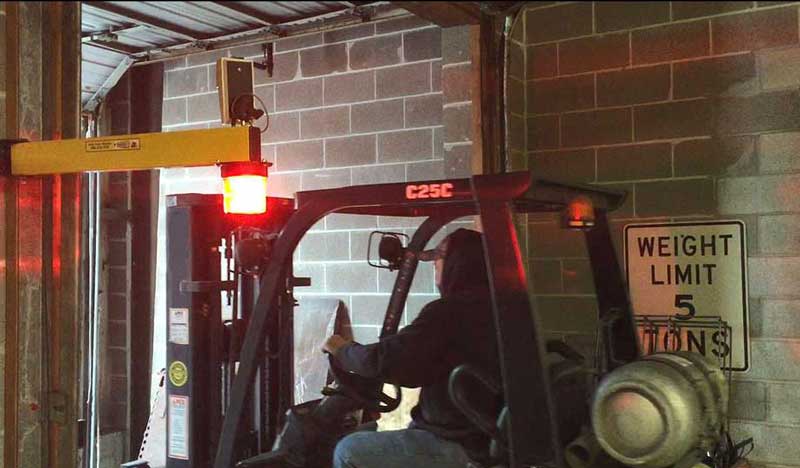
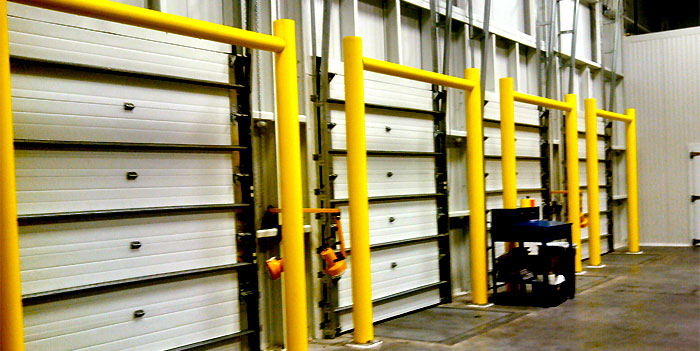
Walk any warehouse, manufacturing facility, or commercial storage operation and you’ll almost always find two things: forklifts and dock doors.
If that building has been in place for any length of time, you’ll also find dinged, dented, ruined or replaced dock door guides, pallet rack frames, building columns, etc. While many operations take steps to use guard rails or bollards to shield their critical machinery, dock doors can be left out.
Posted in Safety & Ergonomics|

Push back rack systems are excellent high density storage solutions — perhaps the most economical way to squeeze space out of a crowded warehouse. All loads are stored and retrieved from the same aisle. This reduces the number of aisles needed in a facility, freeing up more space for storage. Aisles can take a great deal of space up in a typical warehouse, so by implementing a pushback pallet rack system, you essentially swap selectivity for space. Push back rack systems provide a Last-In-First-Out (LIFO) inventory rotation, so you have to be certain your load fits. If it does, congratulations — you’ve just saved a lot of space.
But there are issues that can arise when pushback rack is inappropriately specified or utilized.
Posted in Pallet & Warehouse Racks|