





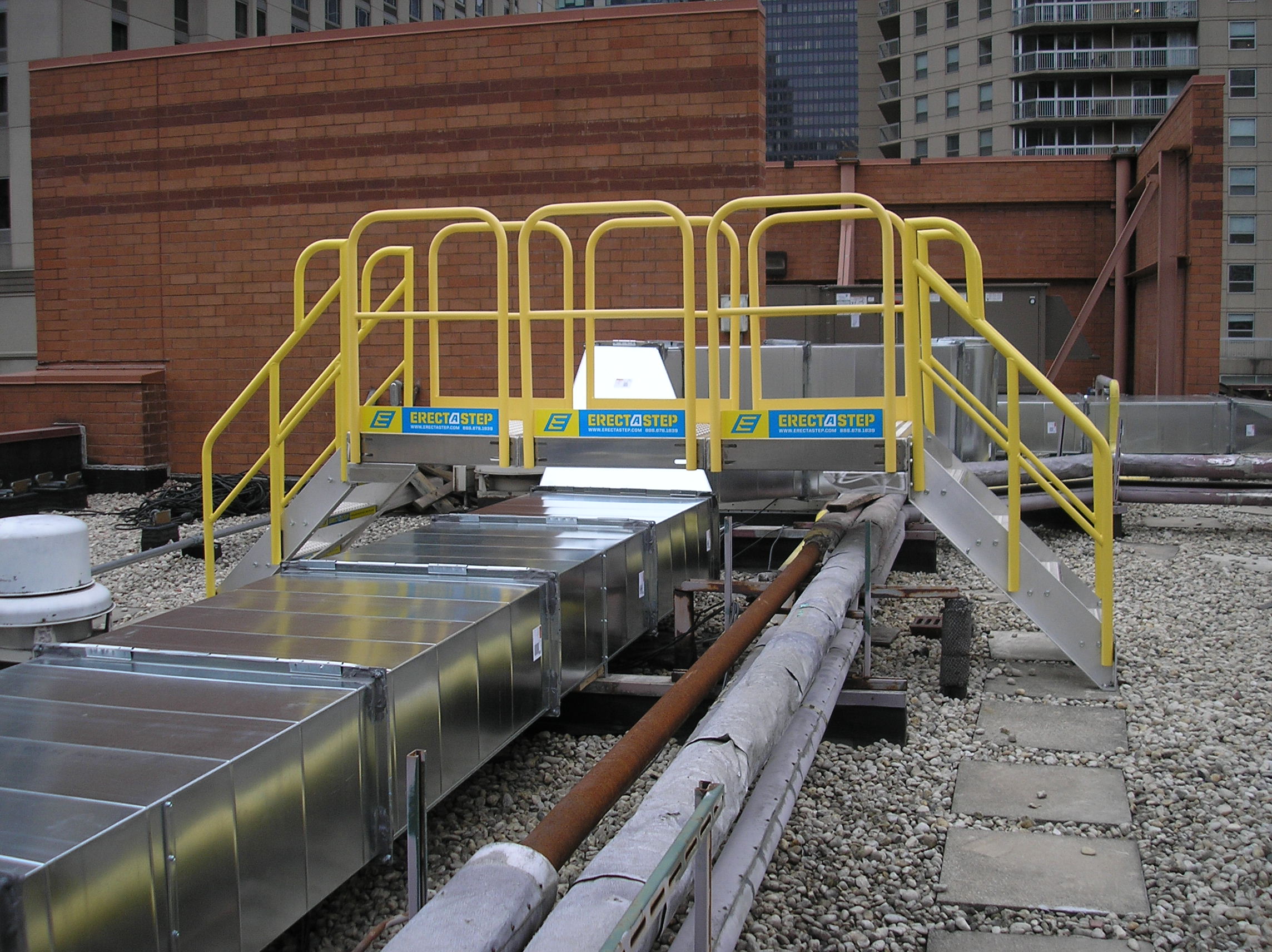
A few years ago, I looked out a Chicago hotel room window at the sub-roof of a skyscraper hotel. A long run of pipes and air ducts cut the roof in half, so that anyone who needed to work on it would have to walk a long way around or climb over. Since there were obvious points of maintenance and other equipment on both sides of the obstructions, I’m guessing that maintenance workers were doing exactly that. They needed a crossover, and a roof top isn’t the easiest place to install one, particularly post-construction.
How to Position Crossovers on Rooftops
June 9, 2020
by Scott Stone
Tags: Space Optimization
Posted in Safety & Ergonomics|
Protecting Forklift Loads & Pallets
February 11, 2020
by Scott Stone
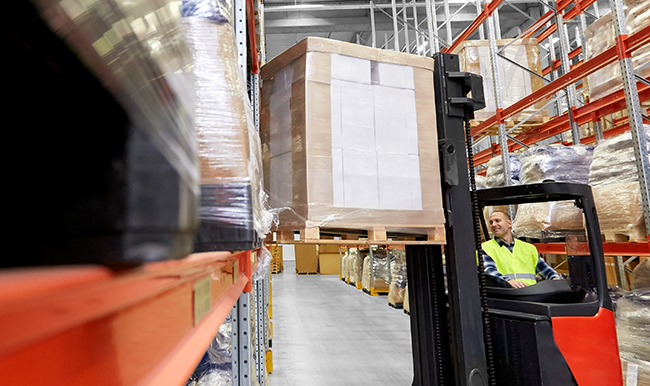
Companies spend a great deal of time and energy protecting people and assets in their warehousing operations, but one aspect of it that can be difficult is forklift load protection. Once a load is on the forklift, what can you do to reduce the chances of forklifts damaging your product?
Posted in Safety & Ergonomics|
HVLS Fans, Air Flow and High-Bay Warehouse Racks
September 17, 2019
by Scott Stone
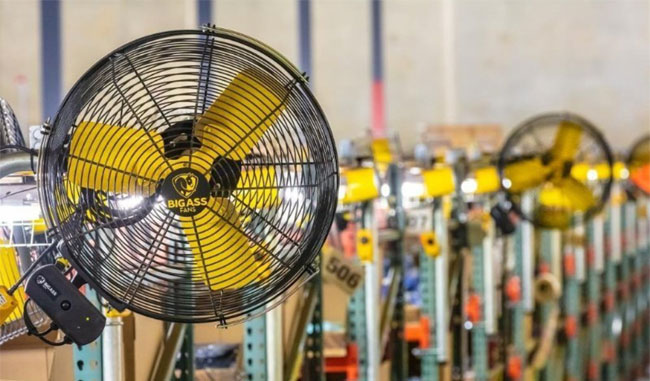
HVLS fans are an ideal way to make warehouses and other industrial facilities more comfortable and reduce the cost of air conditioning, but they usually can’t be installed above pallet racks, which dominate the floor spaces of most warehouses.
Tags: labor shortage, temperature comfort
Posted in Safety & Ergonomics|
How HVLS Fans Make Warehouse Air Conditioning More Efficient
July 9, 2019
by Scott Stone
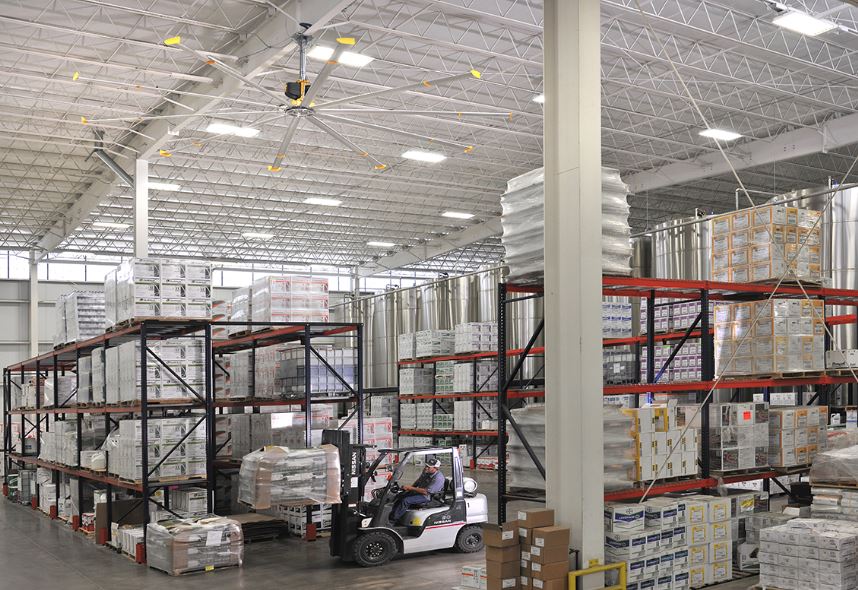
A few weeks ago, we analyzed the reasons it’s sometimes impractical for some facilities to install HVAC. Yet, productivity studies spell out the reasons why cooler work environments reduce errors and increase productivity. If your facility already has air conditioning, why would you need to add HVLS fans?
Posted in Safety & Ergonomics|
What to Do When You Can’t Air Condition Your Warehouse
May 14, 2019
by Scott Stone
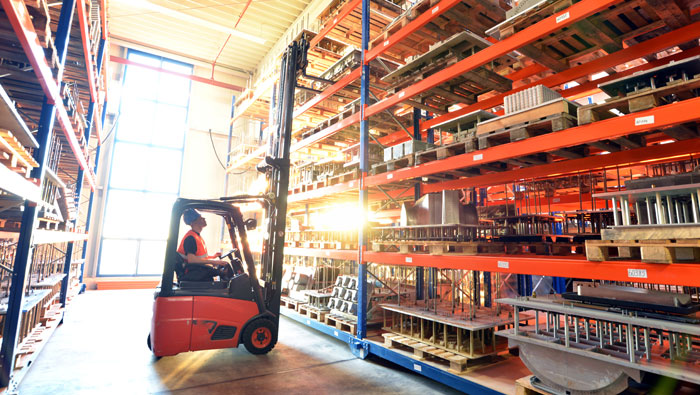
If you run a warehouse, you’re keenly aware of how hot and uncomfortable it can get on a scorching July afternoon—and you also know how much that affects your workforce, their comfort, their error rates and their ability to get things done. Installing air conditioning may not be feasible for every industrial facility, but there are alternatives.
Tags: ROI
Posted in Safety & Ergonomics|
How to Reduce Warehouse Noise
April 16, 2019
by Scott Stone
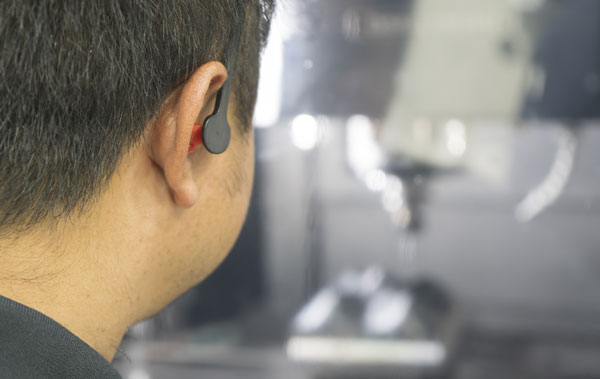
Anyone who works in a production facility or distribution center knows how loud these places are. The sound of forklifts, the constant whirr of conveyors, the thrum of generators, and the steady beat of all things mechanized can be overwhelming. There are also specific, distracting noise producers, such as small engines, stampers, and generators. Over time, people adapt to this environment, “tuning out” noise as much as possible.
Research from the National Institutes of Health is clear: sound affects productivity. It’s also unsafe on a number of levels for industrial workers.
Tags: conveyors, labor
Posted in Safety & Ergonomics|
How Heat Saps Warehouse Productivity, Causes Errors and Reduces Retention
April 2, 2019
by Scott Stone
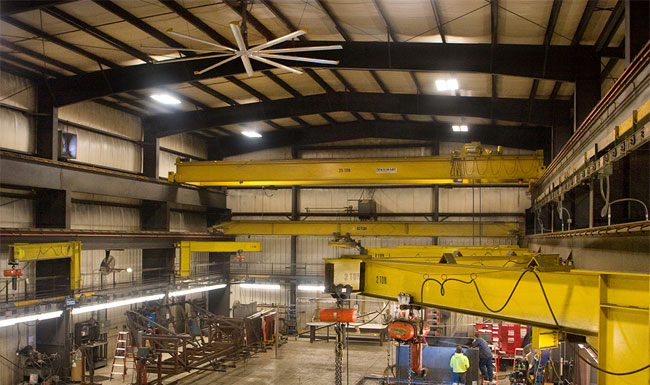
Warehouses, shop floors, and manufacturing facilities can be difficult environments for workers, and heat makes it even harder. Hot days and hard work conspire to reduce productivity and increase errors. We’ve found some research that spells out exactly how much, and have some recommendations to reduce the issues.
Tags: labor, ROI
Posted in Safety & Ergonomics|
Climb Towards Ladder Safety
March 26, 2019
With OSHA statistics showing that every year more than 100 workers are fatally injured of suffering disabling injuries in ladder-related accidents, it makes sense to take time in your facility to educate and train workers on safe ladder operation procedures. This month, the American Ladder Institute (ALI) is sponsoring its annual National Ladder Safety Month to promote ladder safety at work and home.
Tags: warehouse, plant safety, worker safety, safety training, facility safety, safety issues, warehouse accidents
Posted in Safety & Ergonomics|
Dukes of Hazardous
February 26, 2019
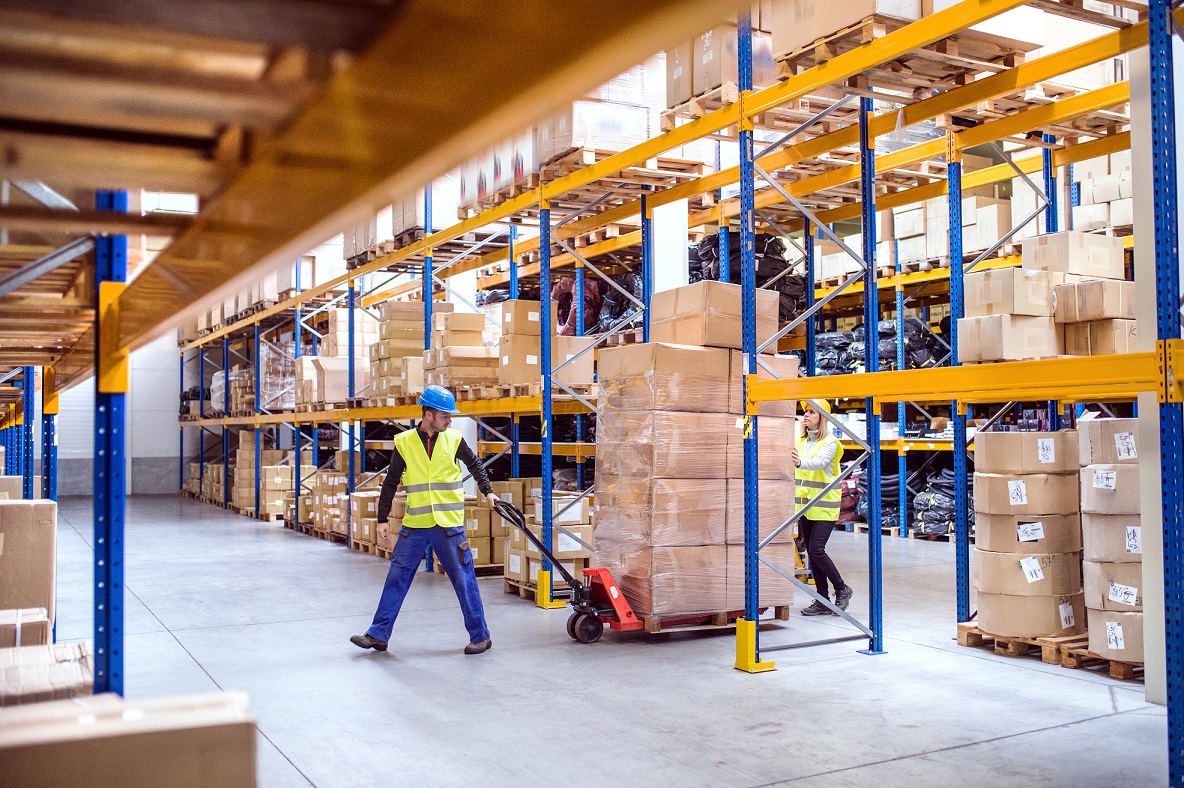
For all the work that goes into preventing them, the majority of warehouses share many of the same safety hazards.
Due to the way warehouses handle items and process shipments, many of their workers are subject to similar risks for injury and product damage. While this can seem like an unending cycle of danger, there’s plenty of ways to mitigate these more prominent ones and keep everyone and everything in your warehouse safe from harm.
Tags: facility safety, industrial safety, warehouse safety, ergonomics
Posted in Safety & Ergonomics|
Shoptalk: Measuring Warehouse Guard Rail for a Perfect Fit
November 6, 2018
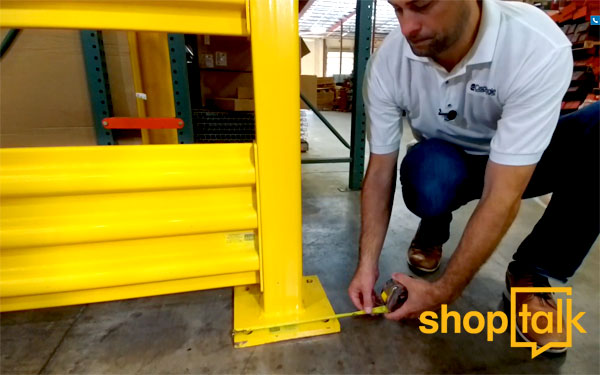
In the first installment of Cisco-Eagle’s new video series, Shoptalk, Taylor reviews how to measure Steel King Steel Guard rail for a perfect fit into your space.
Tags: Shoptalk
Posted in Safety & Ergonomics|