Cisco-Eagle Logo

How to Specify and Design Dock Door Security Cages

February 2, 2021

Driver access cage securing a warehouse personnel door.

Dock door security cages are used to control access to warehouse facilities, docks and receiving areas where drivers, service workers and others enter a building. They are typically 2 or 3-sided and cover a dock’s personnel access door while allowing truck drivers and other visitors to enter the facility, but not the warehouse and general storage or production areas. This lets you admit visitors (or not) as your security and safety rules dictate.

Read the rest of this entry »

Posted in Docks & Shipping|

The “A” Word: How to Talk About Automation with Your Team

January 28, 2021

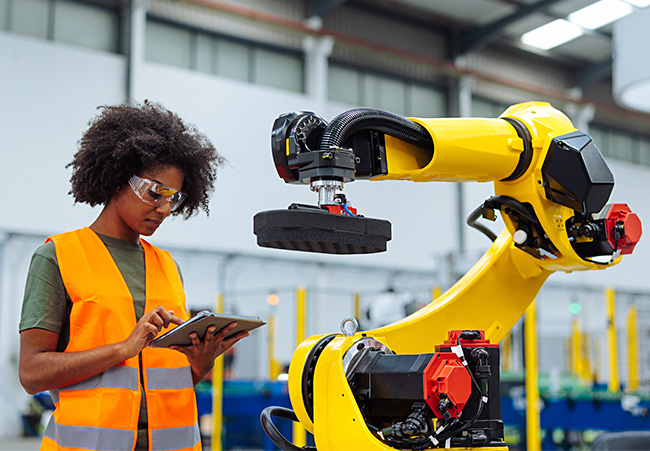
woman programming an industrial robot

Maybe you’ve reached a point in your business where automation seems inevitable. You have to scale up to keep up, and you need new technology. We advise companies on this transition, and it can start with smaller changes than you might think. But if you haven’t broken the seal yet, you might be wondering: how do I discuss this with my employees?

Read the rest of this entry »

Posted in Automation, Labor & Efficiency|

Pallet Racks, Sprinkler Systems and Warehouse Fire Precautions

January 19, 2021

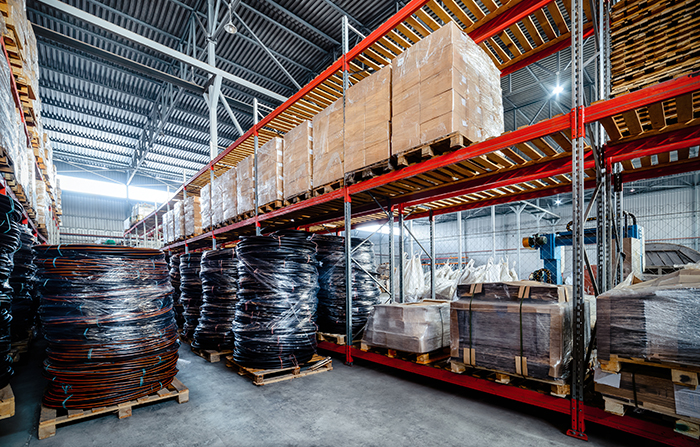
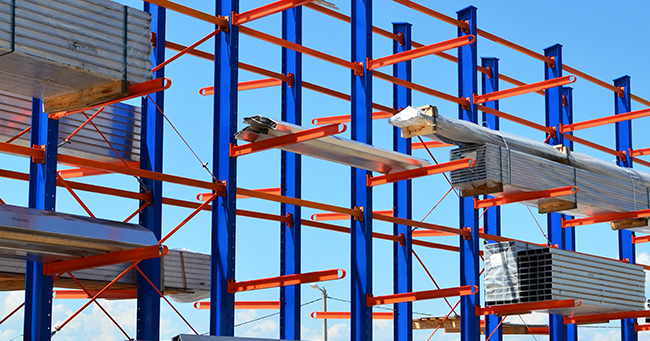
Pallet rack system

All warehouses have fire risks, ranging in severity. Facilities flammable loads like paper, aerosols, liquors or fiber are at higher risk than others, but any load on wood or plastic pallets can catch fire.  For instance, manufacturing facilities with airborne debris are at more risk than those storing ceramics or steel components. While storage racks are not among leading causes of warehouse fires, (or even a cause, except for their loads) they can play an important part in reducing spread and damage.

Read the rest of this entry »

Tags:
Posted in Pallet & Warehouse Racks|

Why Floor Marking Is Essential

January 7, 2021

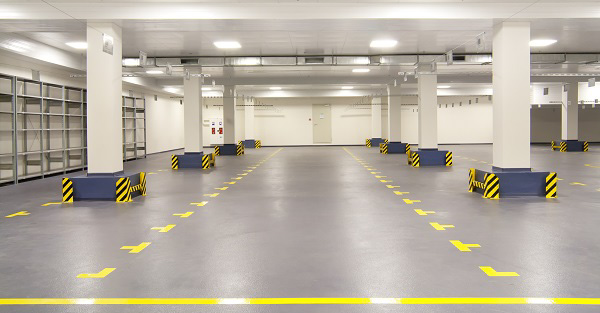
warehouse floor tape

As we navigate this new age of Covid-19 and the distancing associated with it on all fronts of our lives, keeping areas within your facility safe and spaced becomes not only a priority now, but leads to further efficiency for operations in the future. Operations that utilize efficient means for creating visual clues within their warehouse showcase a more productive work environment that also keeps employees and equipment free from potential hazards.

One method to aid in this endeavor is floor marking. By marking areas in your facility, you highlight risks, outline areas for equipment and people, direct traffic and showcase safety considerations. In short, just by adding some color to your floor, you make your entire facility easier to navigate.

Read the rest of this entry »

Posted in Space Optimization & Planning|

Warehouse Bins & Containers Specification

January 5, 2021

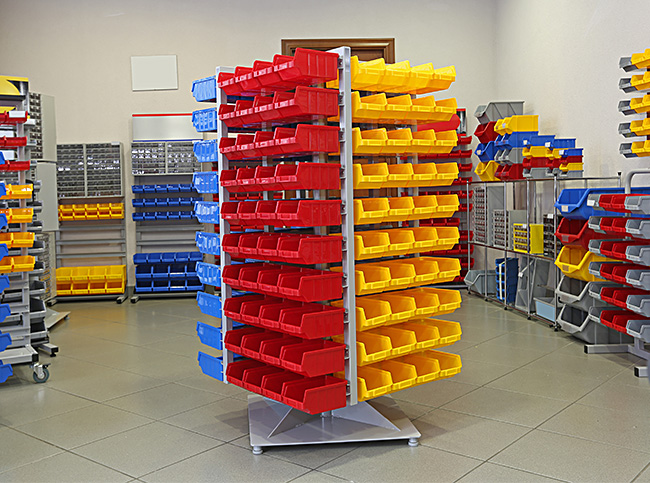
rotating bin shelving

Most warehouses use bins, cartons or containers as bulk product shipments are broken into “eaches” or smaller quantities for putaway, storage and eventual picking. This is also largely true of assembly and manufacturing lines where components are transported between workstations and work is progressively done. While they don’t exactly break the bank given their costs, specifying the wrong container can result in a less efficient, less ergonomic operation.

Read the rest of this entry »

Posted in Storage, Organization & Workstations|

Tips for Better Drive-In Rack Specifications, Operations and Safety

December 15, 2020

A drive-in pallet rack system being loaded in a frozen storage warehouse.

When you need exceptionally high-density pallet storage, drive-in racks deliver space savings by eliminating forklift access lanes. They’re last-in, first-out storage ideal for stock that doesn’t need active inventory rotation and will be picked and used in a relatively fast manner. There are challenges to any storage system, of course. This guide should help you find ways to reduce the problems and operate your drive-in rack system more efficiently and safely.

Read the rest of this entry »

Posted in Pallet & Warehouse Racks|

Putaway is Critical for Distribution Success

December 1, 2020

Putaway aisle in a distribution center, with flow storage and bulk storage accessibility.

Above: workers in a distribution center putaway aisle with flow and bulk storage accessibility. Picking aisles are left clear as the system is replenished. Photo credit: Unex Manufacturing.

Putaway, which is the methods and processes that occur between receiving inventory and that inventory resting in storage positions in a warehouse, may have more impact on the performance of order fulfillment or warehousing operation than most anything else.

Read the rest of this entry »
Tags: , ,
Posted in Order Picking & Fulfillment|

How to Use Dockboards & Dockplates Safely and Effectively

November 10, 2020

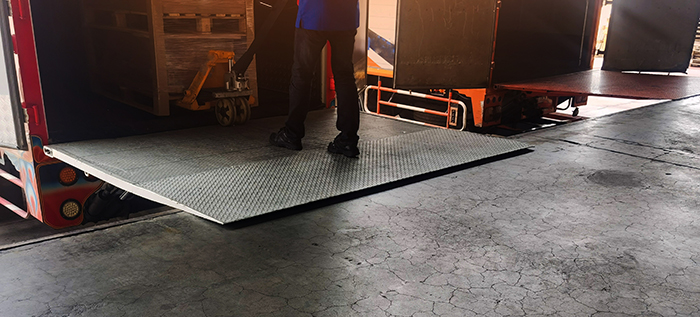
dock plate with a hand truck unloading at a warehouse shipping area.

Dock boards and dock plates are built to transition forklifts, pallet jacks, carts, people and other transportation methods between trailers and your warehouse dock area or staging floor. How can you be sure the transition between truck trailers and your dock is safe?

Read the rest of this entry »

Tags: ,
Posted in Docks & Shipping|

How Simulation Adds Value to Material Handling Systems Specification

November 3, 2020

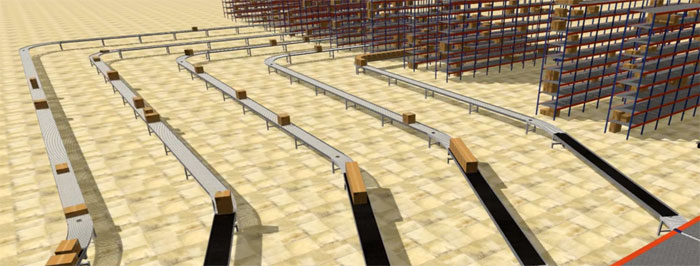
screenshot from material handling automation program

As we’ve discussed automating anything as complex as a large scale material handling process has risks, but there are ways understand the outcome better in advance and reduce any risks. It’s always good to have more data, and simulation plays into that scenario by giving you a view of what key systems, technology and process will interact in your system, with your loads.

Read the rest of this entry »
Tags: , , ,
Posted in Automation, Labor & Efficiency|

Warehouse Automation Risks to Avoid

October 15, 2020

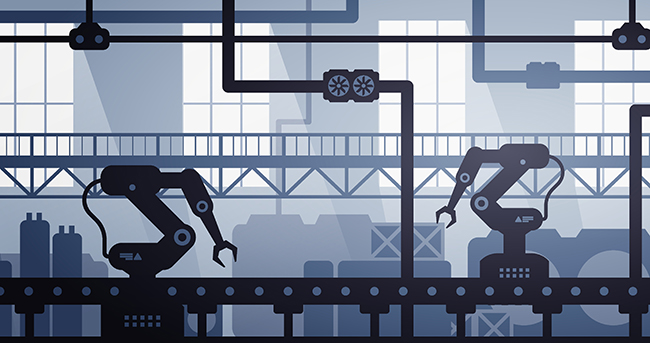
illustration of conveyor and robotic systems integration
Automation can work wonders. It reduces costs, increases throughput, curbs errors and increases safety. The costs of automation are declining while the effectiveness of computer, vision and scanning systems are improving. Automation helps you reduce repetitive actions — the kind that adds no value. The common perception is that automated facilities are dark, free of people and full of robots, but the reality is that automation comes in many forms, ranging from picking systems like pick-to-light to automated conveyors to goods-to-person systems and much more.

For all these benefits, you want to understand the potential problems with any automation project in advance so you can avoid them as you move forward.

Read the rest of this entry »
Posted in Automation, Labor & Efficiency|

Read our customer reviews