





This month’s insights focuses on the “four pillars” of American manufacturing strength, along with an analysis of a 2024 panel on the robotics and automation picture. Because we are the start of a very hot summer, we included an analysis of how you should approach any HVLS warehouse fan implementations as well.
Insights: The 4 Pillars of American Manufacturing, Warehouse Heat and More
June 27, 2024
by Scott Stone
Posted in Industry Insights|
It’s Critical: Pallet Rack Load and Application Drawings
June 18, 2024
by Scott Stone
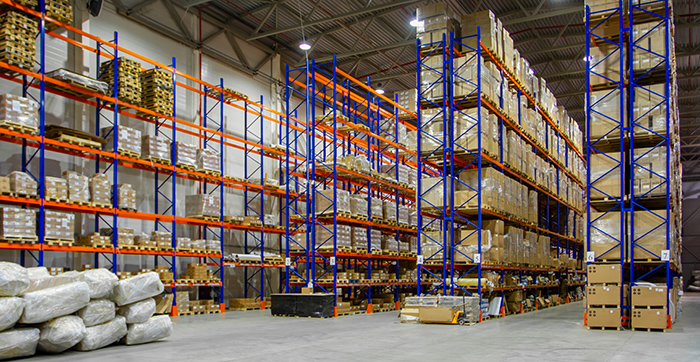
It’s a fact of life: companies need to adapt to new business, and that means the warehouse.
Your customer base might change. Your company’s inventory strategy could differ from year to year, which means new loads and shifting layouts. You may need to move racks from one place to another or supplement them with new components or replace damaged ones. To be sure your warehouse is safe, you should have load and application drawings.
Tags: facility safety, warehouse design
Posted in Pallet & Warehouse Racks|
Moving Up – Rideable Lift Advantages
June 6, 2024
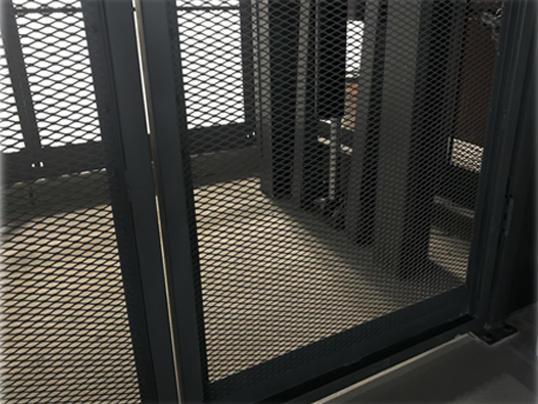
Mezzanines are a tried and true method of increasing space usage in your facility. We’ve all seen a warehouse tap into its vertical cube by adding a mezzanine or pick module solution. The results are increased storage and product movement while gaining more control of unused areas.
Once you’ve got a mezzanine in place, the journey to more efficiency doesn’t end! With an existing mezzanine, you want to consider all avenues of movement when on it or when transporting to it. Enhancing these methods only increases the ROI of your investment, while helping throughput. With this in mind, how your workers access your mezzanine is a prime area for consideration.
Tags: mezzanine lifts, mezzanine
Posted in Lifting & Lift Systems, Mezzanines & Industrial Platforms|
Vertical Conveyors Loading and Unloading Integration
March 21, 2024
by Scott Stone
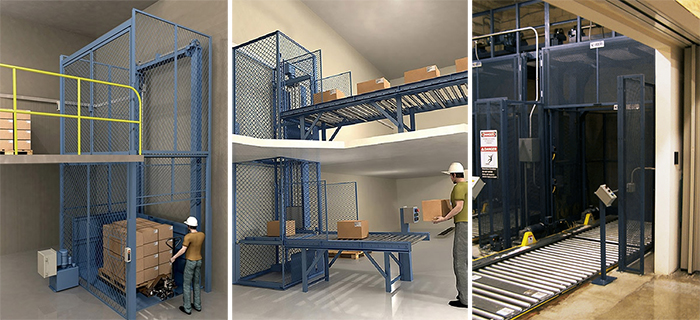
There are many ways to transport products vertically in a warehouse or manufacturing operation, each with its distinctive advantages and limitations. These methods can range from extremely basic – a forklift and a pallet – to fully-integrated, automated systems. Vertical conveyors are one of the most common methods for certain loads and situations. What are some of the integration factors for these conveyors, and how can you handle them?
Tags: conveyors, mezzanine, work platforms
Posted in Lifting & Lift Systems|
Forklift Proximity Detection – Do More Zones Matter?
March 14, 2024
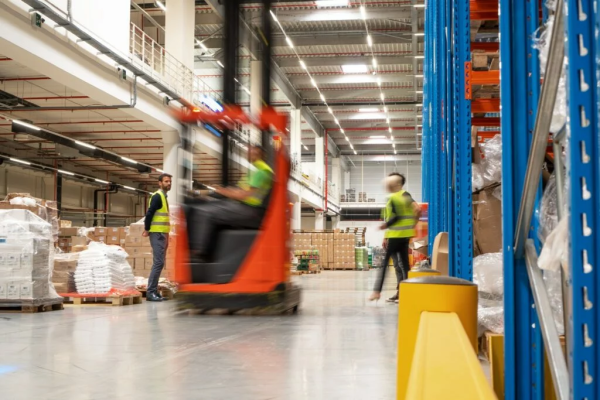
You’ve seen them pass so close in your facility it stopped you cold. Keeping forklifts and pedestrians from collision (or even close encounters) is a critical element of safety within any facility that uses both. Creating a safe culture that improves these interactions is the goal of any team, and there are many solutions available.
Outfitting your workers and trucks with proximity warning systems is a solution designed to improve these interactions. These systems are a crucial component of occupational safety strategies, significantly diminishing the likelihood of accidents and incidents between pedestrians and vehicles, and effectively fostering a culture of heightened safety awareness among employees
As proximity warning systems evolve, they now boast new features. Notably, some are exploring dual detection zones, with the thought of extra protection. This innovation prompts us to question: does an extra detection zone boost accident prevention effectiveness?
Posted in Forklift - Pedestrian Safety|
Stress and The Warehouse Worker: What are the Issues?
February 27, 2024
by Scott Stone

This month, we delve into the stresses faced by warehouse workers, and how that may play into the sector’s competitiveness for labor as the available pool continues to contract. Also: detailed data on manufacturing output, ROI for industrial capital spending, and a bit more.
Tags: Manufacturing, labor, Automation
Posted in Industry Insights|
10 Easy Tips to Increase Warehouse Safety
February 15, 2024
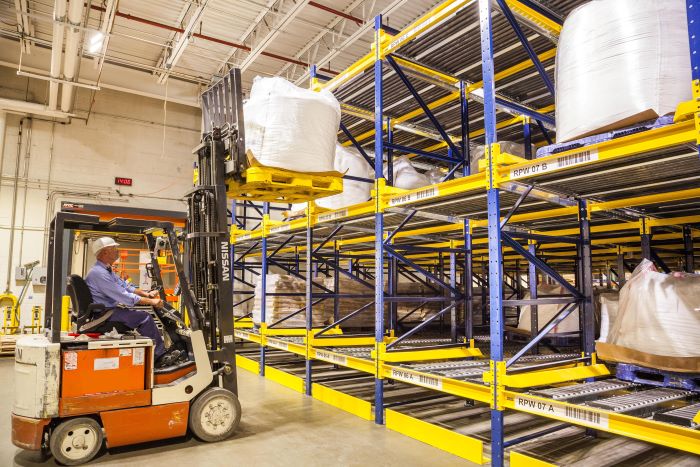
Insufficient safety measures in warehouse and distribution centers can have severe repercussions, including injuries, operational downtime, product losses, property damages, and potential legal actions. Of particular concern are accidents involving collisions between forklifts or other vehicles and employees or visitors.
Within busy operations, a forklift or other vehicle may eventually run into existing rack. While the rack may not require immediate replacement, storage capacity and product throughput may be compromised for some time. If overloaded, or loaded incorrectly, a rack can also collapse, spilling the inventory to the ground. Employees and visitors must also be protected from vehicle traffic.
Posted in Pallet & Warehouse Racks|
Warehouse Ergonomics and Productivity: an Inseparable Relationship
February 6, 2024
by Scott Stone
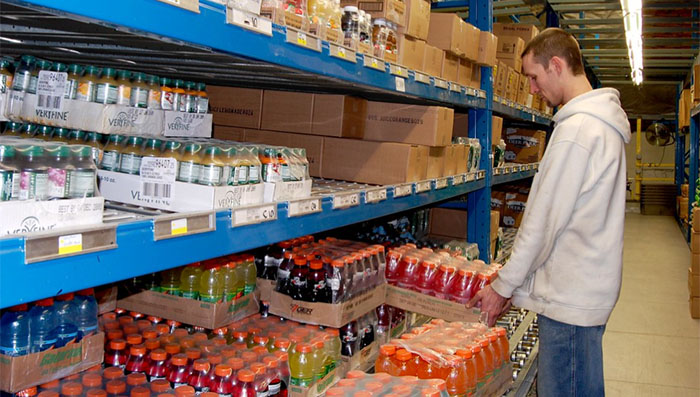
Improving the ergonomics of any warehouse operation may be the single easiest way to improve productivity – and that’s aside from the obvious safety and labor force protection aspects. Consider all the ways people move and work every day, every week, every year. Those repetitive motions take a toll both on the people doing the work and overall productivity. Ergonomics and productivity are not only related: they’re essential to each other.
Posted in Safety & Ergonomics|
Manufacturing Expansion: Who, What, Where and How?
January 30, 2024
by Scott Stone
As we enter 2024, it’s no secret that manufacturing is growing at a nearly unprecedented rate. This cycle has been on the rise for years, and is now accelerating. Beneath the surface, some regions and sectors are growing faster than others. What are the trends we can anticipate in 2024 and beyond?
Tags: Manufacturing
Posted in Industry Insights|
Warehouse Automation: The Cost of Doing Nothing
January 18, 2024
by Scott Stone
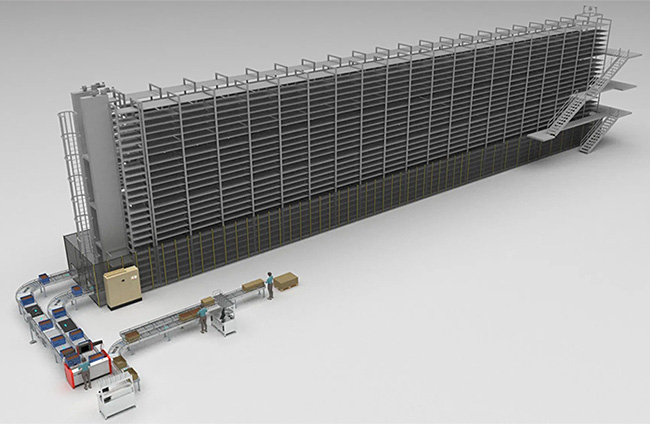
People who operate industrial facilities have a difficult task. While the world changes around them, they’re dealing with a static operation that can be difficult to change or revitalize. Sunk costs, funding and organizational inertia can paralyze you at the worst moments. But the reality is that from our supply chains to labor to our customer demand profile, things are always in flux.
Tags: conveyors, labor management, Robotics, AS/RS
Posted in Automation, Labor & Efficiency|