
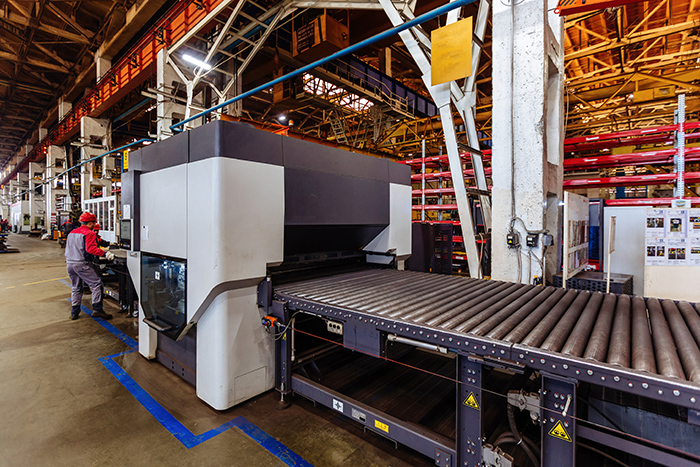
Machine load-unload automation is one of the most profitable and straightforward automation opportunities in both warehouses and factories. It improves productivity in two key ways:
- Reducing labor needs: Repetitive manual loading and unloading is replaced with automation, cutting costs and reducing injury risk.
- Increasing machine uptime: Machines stay productive with predictable cycles, eliminating idle time between parts.
The real payoff is in uptime. When unloading and reloading are automated, a machine rarely waits for an operator. Preparatory work and staging can happen offline, so the next part is always ready. In ideal cases, production rates can increase dramatically without additional equipment investments. Focusing on these key points, where automation can have outsized impact is the key to smarter, better operations. These tend to be low value, but critical processes that should be automated so that labor can be reallocated to more critical functions.
Read the rest of this entry »
Tags: Automation, Manufacturing
Posted in Automation, Labor & Efficiency|
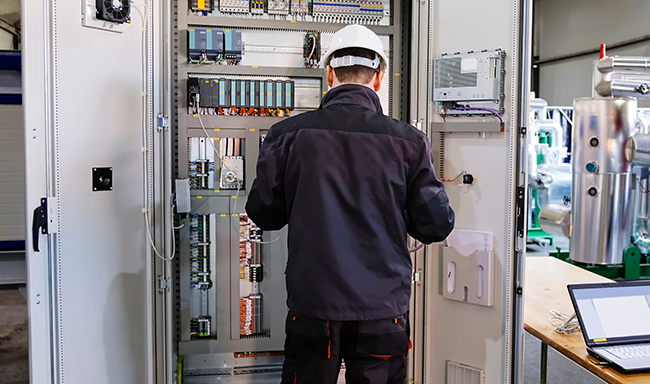
Most every automated warehouse system utilizes programmable logic controls control systems that interface between hardware and other software. PLCs easily integrate with other control systems – Human-Machine Interfaces (HMIs), WMS, WCS and enterprise resource planning software for better monitoring, data collection and overall system management. They provide robust, local and flexible programming that can evolve as needs change.
Read the rest of this entry »
Tags: Manufacturing, conveyor systems, UL
Posted in Automation, Labor & Efficiency|
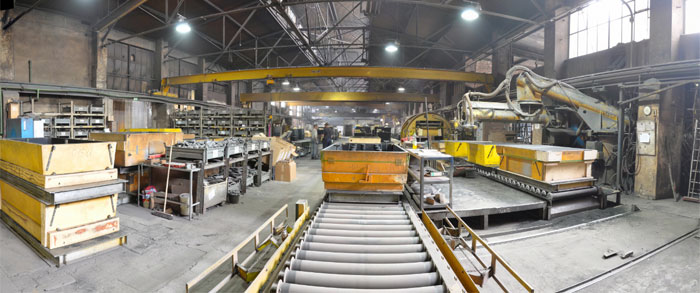
Conveyors are essential for manufacturing operations, but in some areas where they are exposed to dust, airborne debris, moisture or chemicals, there may be issues with their mechanical components. These environmental factors impact performance, equipment lifespan, maintenance burdens and safety, but can be dealt with if the conveyor is properly designed, used and maintained. Let’s dive into these issues.
Read the rest of this entry »
Tags: Manufacturing, ergonomics
Posted in Conveyor Optimization|
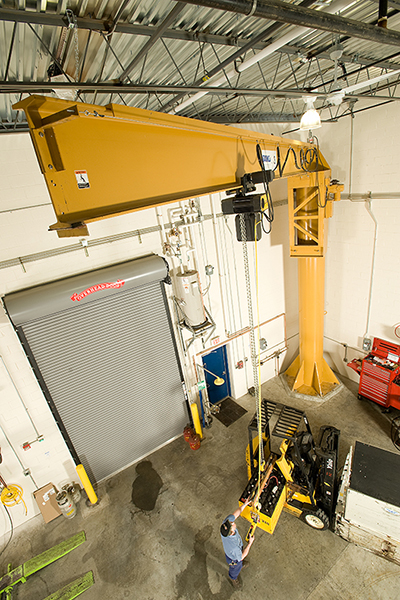
You want to move heavy loads safely and effectively while also keeping your solution economical and efficient. Consider the Jib Crane, and effective tool in your warehouse arsenal that will hold its own and can interface with a wide variety of workstations and functions.
Foundationless Jib cranes offer versatility and economic savings, as they are bolted directly to an existing concrete floor and don’t require a concrete foundation. Using the existing floor means that you don’t need to install a costly special foundation, plus you can install and use the system sooner because you don’t need to wait for concrete to cure. Existing floor use also makes sense for smaller capacity and shorter span jib cranes.
With that said, there are multiple concrete considerations before you install a foundationless jib crane. The key, is your installation.
Read the rest of this entry »
Tags: warehouse, Safety & Ergonomics, cranes, jib crane, warehousing, Manufacturing, industrial safety
Posted in Lifting & Lift Systems|
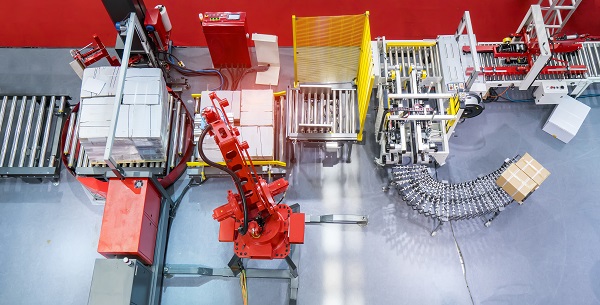
While warehouse robotics can be thought of as too futuristic, there are many e-commerce fulfillment applications being installed today that are set up to take full advantage of all they have to offer a facility. Some may be leery of this technology, but it would be a mistake to say that robotics would never apply to your warehouse.
Today’s robotic applications are all based on existing applications and technology, not uncharted research, and each generation of technology gets cheaper. Here are some important considerations when looking at applying warehouse robotics today.
Read the rest of this entry »
Tags: Manufacturing, e-commerce, Robotics, warehouse flow
Posted in Automation, Labor & Efficiency|
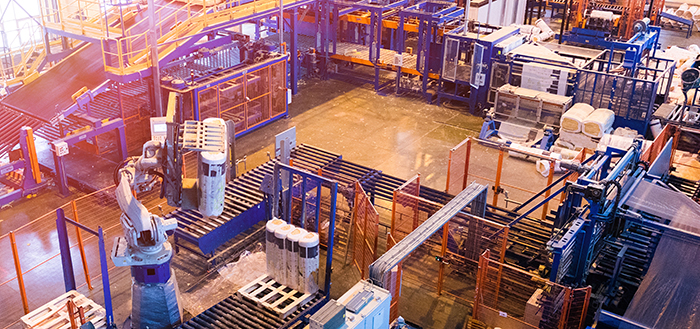
With the rapid increase in the pace of manufacturing and distribution, facilities that automate manual processes will increase their ROI and grow their bottom line.
Customer demand is ever-increasing, right along with the costs to service that demand. You want your warehouse to deliver faster and more efficient results without sacrificing production. You’re looking at automating components within your facility to produce this change. But how can you really get started?
Read the rest of this entry »
Tags: Warehouse Management, warehousing, Material Handling, Supply Chain, Manufacturing, distribution center, e-commerce, warehouse productivity
Posted in Automation, Labor & Efficiency|
We had the opportunity to sit down with Brian Neuwirth, President of UNEX, for a wide-ranging discussion on the state of manufacturing. He shared his insights on key issues facing the industry from improving customer experience to addressing the skills gap.
Read the rest of this entry »
Tags: Manufacturing, labor, skills gap, internet of things
Posted in Manufacturing|

Manufacturing skills gap. Talent shortage. Shifting workforce demographics. What are the trends?
Call it what you will, but the fact remains that the U.S. manufacturing industry faces a pressing issue in the coming years if current worker retirement rates continue to accelerate and projections for industry expansion prove accurate. Research from the Manufacturing Institute and Deloitte indicates there could be as many as 2 million unfilled manufacturing jobs by 2025, up from initial estimates of 600,000. As noted in a Huffington Post article on the research findings, retirement and rapid industry growth are the two driving factors contributing to the skills shortage.
To get a better sense of how the industry is addressing the challenges (and potential opportunities) associated with the increasing skills gap, we recently conferred with industry partners, leaders, and subject matter experts.
Read the rest of this entry »
Tags: warehousing, Manufacturing, labor, skills gap, Automation
Posted in Manufacturing|
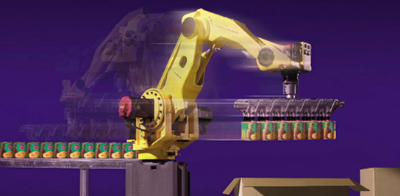
Industrial engineers have envisioned fully automated factories since at least the middle of the 20th century. But the real race to automate manufacturing can be said to have begun in the 1980s, when US car manufacturers came up with the vision of “lights-out” manufacturing. The idea was to beat their rivals by automating the factories to such an extent that the entire manufacturing process could be left to robots. To a great extent, it has remained only a vision so far. Read the rest of this entry »
Tags: Automation, Manufacturing, Robotics, Industrial Robots
Posted in Automation, Labor & Efficiency|
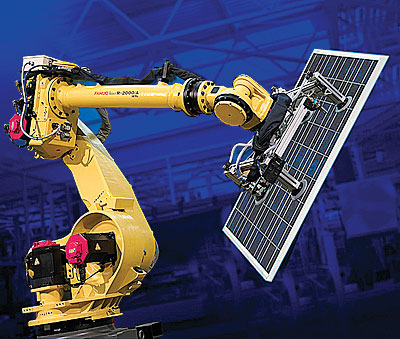
Manufacturing Automation has taken huge steps forward in recent years, helping companies become safer and more efficient. Technology such as robotics for picking, packing, or welding is constantly advancing, making systems better, and smarter, each year. Vision systems alone are undergoing a revolution in terms of effectiveness. This type of automation is also more affordable every year, while the cost of just about everything else – labor, energy, raw materials, and insurance – is rising.
Read the rest of this entry »
Tags: Factory Automation, Manufacturing, Robotics
Posted in Manufacturing|
Read our customer reviews