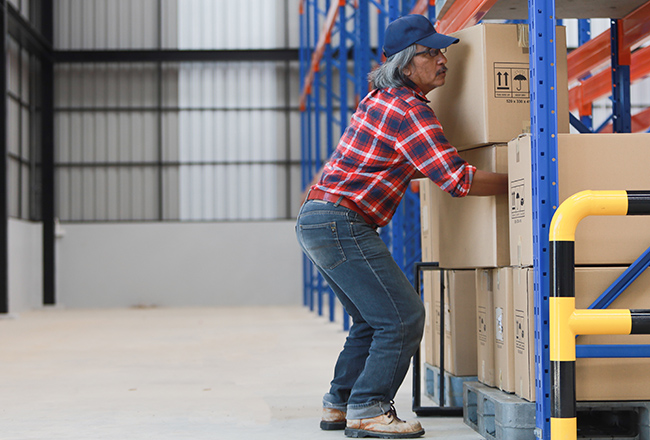
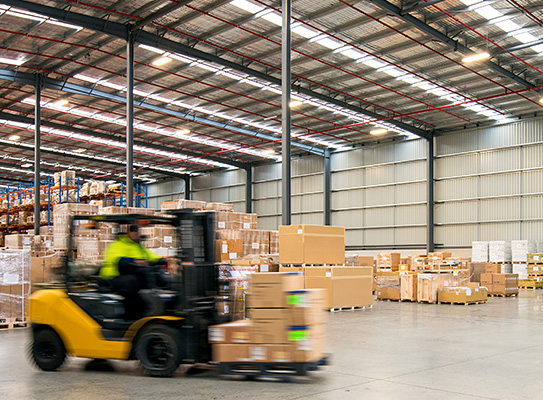
The forklift is ubiquitous in warehousing, manufacturing, distribution and other industrial operations, but many companies are actively working to reduce fleet size—or eliminate forklifts entirely.
Why eliminate forklifts?
This seems to be mostly about safety. Powered industrial trucks ranked sixth for OSHA violations in the most recent data. They’re always near the top. They cause about 100 deaths in the United States every year, and tens of thousands of injuries, with a high percentage termed “serious.” Forklifts are often the single most hazardous machine in any facility that operates them. Can you truly make a warehouse forklift free, as many EHS experts recommend? Maybe not, but you can minimize forklifts and keep them out of the most dangerous areas. Let’s dive into some methods.
Read the rest of this entry »
Tags: forklift, Warehouse Management, Material Handling, Industrial Lifts
Posted in Forklift - Pedestrian Safety|

Conveyors are ergonomic equipment by nature. They reduce manual lifting, pushing, pulling and stretching by delivering product to workers and reducing the stress of carrying or pushing it manually. Whether in a large integrated system or a spur of gravity, conveyors are great for reducing the number of people who engage in potentially dangerous activities that could cause musculoskeletal issues. Let’s dive into ways to be sure your conveyors are contributing to an ergonomic operation.
Read the rest of this entry »
Tags: ergonomics, Safety & Ergonomics
Posted in Conveyor Optimization|
With the rising costs of workers’ compensation insurance and global pressures to increase productivity, warehouse and distribution center managers are taking a much closer look at improving ergonomics. With as many as 65% of worker’s compensation claims associated with manual materials handling, insurance companies are raising their rates—or mandating ergonomic improvements for continued coverage.
Equipment suppliers are responding to the need, engineering and designing features into their products to help workers minimize the strains associated with lifting, reaching, twisting, pulling and pushing. These new product features can also help address the demand for increased productivity as well.
Read the rest of this entry »
Tags: Order Picking & Fulfillment, Safety & Ergonomics, Material Handling, order fulfillment, warehouse safety, ergonomics, plant safety
Posted in Safety & Ergonomics|
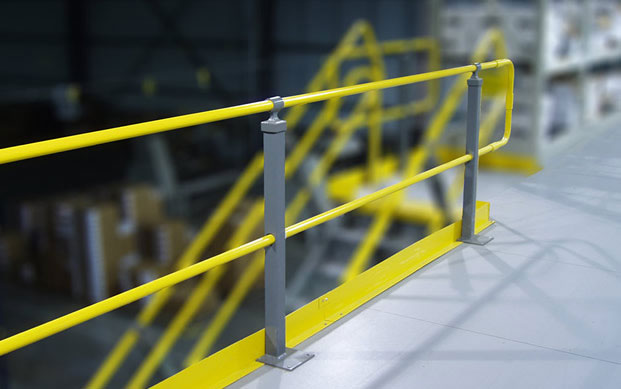
We help clients with structural mezzanines and rack supported systems in a range of facilities.
Mezzanine options range from professionally manufactured to home-made to local fabrication shop to professional contractors. If you have a mezzanine or storage platform custom fabricated, you need to be sure your contractor is complying with OSHA & local safety regulations, particularly on guard railing, stairs and gates. If your fabricator doesn’t routinely work with mezzanines, this is something you’ll have to do on your own. The best policy is to look at established vendors if you don’t want to micro-manage the details of building permits, code compliance, and OSHA’s blessings. Here’s a breakdown of the handrail issues you might run into:
Read the rest of this entry »
Tags: Space Optimization, warehousing, Material Handling, OSHA, Mezzanines, industrial safety, code compliance, building codes
Posted in Mezzanines & Industrial Platforms|
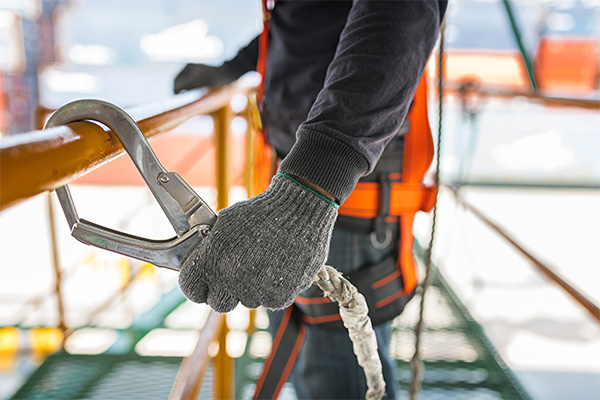
Working at height continues to rank high on the list every year when it comes to OSHA statistics, potential causes of major injuries and even fatalities.
Research shows that far too many people end up injured or worse because of their work on ladders, rooftops or other spots above the ground. As a result, it is extremely important for EHS leaders to be aware of the potential hazards their personnel face when working at heights, as well as the best ways to keep employees safe on the job.
Read the rest of this entry »
Tags: lean warehousing, warehouse safety, industrial accident prevention, Safety & Ergonomics, Warehouse Management, warehousing, Material Handling, lean manufacturing, industrial safety
Posted in Safety & Ergonomics|
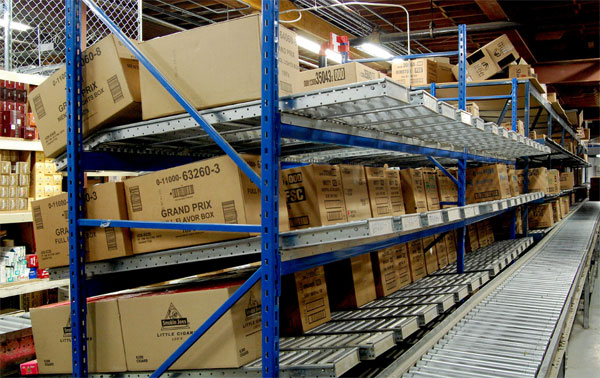
What’s the optimal storage concept for your operation?
The ideal storage equipment for a given product can vary based on load, picking method, throughput, shipping issues and many other factors. Usually it involves a blend of shelving, racks, cabinets, and other means of organizing product in a given footprint. One of the questions that comes to mind is the line where a product or group of them is best slotted into shelving and bins, or if that product is best suited for carton flow solutions. Let’s examine the factors.
Read the rest of this entry »
Posted in Order Picking & Fulfillment|
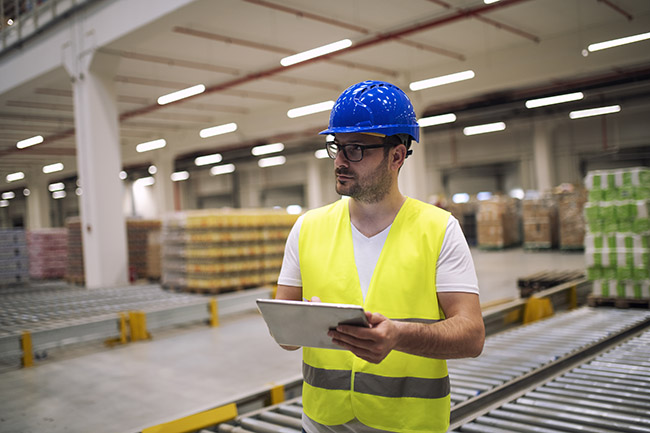
It’s always busy when you operate a warehouses or DC, but as noted philosopher Ferris Bueller once said, “life moves pretty fast. If you don’t stop and look around once in a while, you could miss it.” The same applies to your facility and specifically its pallet racks. A good way to ensure they’re being used correctly and safely is to stop and look around once in a while. In that spirit, let’s touch on some things to examine in your warehouse rack operation.
Read the rest of this entry »
Tags: Warehouse Management, pallet racking, warehouse productivity, rack safety, Inspections, Walking Around
Posted in Pallet & Warehouse Racks|
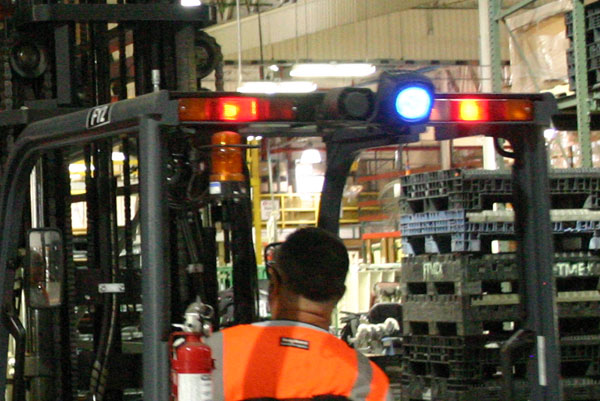
It’s been a sudden transition: many forklifts no longer use flashing strobe or beacon lights and have transitioned to LED “blue light” forklift safety lights that project on the floor rather than flash on the forklift itself. Workers have never liked an excess of flashing lights, but to some extent this is because companies aren’t deploying the beacon lights for the right application. LED floor lights are true warning systems, while beacons are visibility enhancements for already visible trucks.
Why do warehouse workers prefer LED systems?
Read the rest of this entry »
Posted in Forklift - Pedestrian Safety|
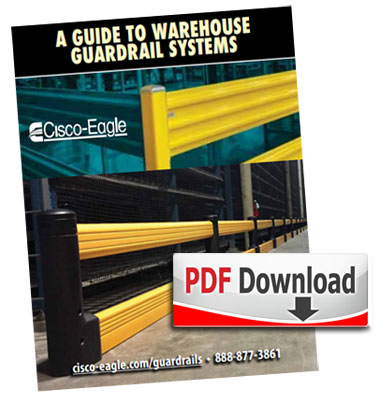
Choosing guard rail can be confusing unless you understand clearly what kinds of conditions you are guarding against and what assets you are protecting.
Whether it be asset protection from industrial vehicle usage or fall protection for workers, there is a guard rail that can fit each need. Our new Guard Rail Guide offers you insights on the various options that we offer, as well as handy comparisons of rigid and flexible systems. We also help you understand how guard rail impact ratings are calculated and used, so you have the knowledge to make the right selection for your facility.

Tags: warehousing, Material Handling, Safety & Ergonomics
Posted in Safety & Ergonomics|
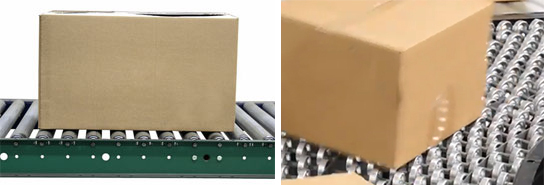
Install Gravity conveyors on declines so that the infeed side sits higher than the end of the line for smooth product flow. This is one of the easiest ways to move products quickly and economically. How can you set up your gravity conveyor for optimal product flow?
Read the rest of this entry »
Tags: Roller Conveyors, shipping docks, skate wheel conveyors
Posted in Conveyor Optimization|
Read our customer reviews