




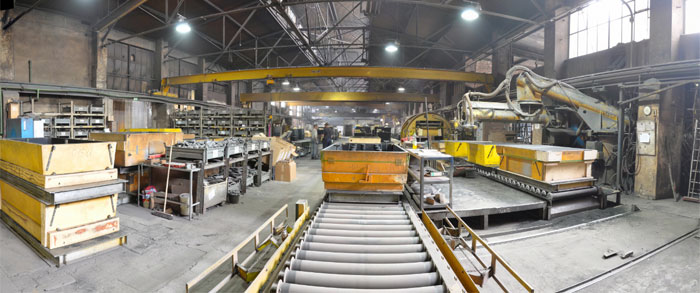
Conveyors are essential for manufacturing operations, but in some areas where they are exposed to dust, airborne debris, moisture or chemicals, there may be issues with their mechanical components. These environmental factors impact performance, equipment lifespan, maintenance burdens and safety, but can be dealt with if the conveyor is properly designed, used and maintained. Let’s dive into these issues.
Conveyors in Difficult Environments
May 2, 2019
by Scott Stone
Tags: Manufacturing, ergonomics
Posted in Conveyor Optimization|
Load the Barbell: Heavy Lifting Options
April 18, 2019
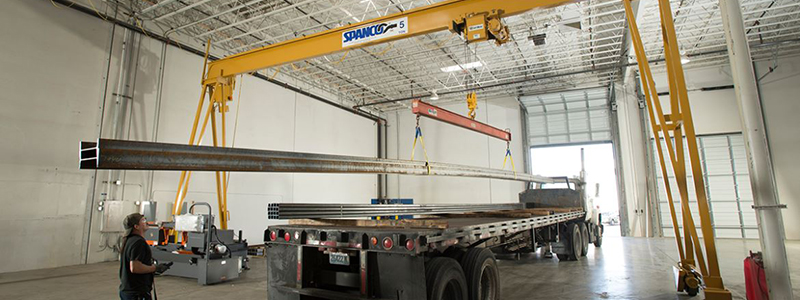
When you need to move heavy loads, you want equipment that offers the flexibility of a CrossFitter with the power of a power-lifting beast. Lifting heavy loads is no small feat, and understanding which option will work best for your facility, plant, or warehouse will keep your lifts in good form without sacrificing strength.
Tags: warehousing, warehouse, manufacturing equipment, hoist, chain hoist, cranes, jib crane, gantry crane
Posted in Lifting & Lift Systems|
How to Reduce Warehouse Noise
April 16, 2019
by Scott Stone

Anyone who works in a production facility or distribution center knows how loud these places are. The sound of forklifts, the constant whirr of conveyors, the thrum of generators, and the steady beat of all things mechanized can be overwhelming. There are also specific, distracting noise producers, such as small engines, stampers, and generators. Over time, people adapt to this environment, “tuning out” noise as much as possible.
Research from the National Institutes of Health is clear: sound affects productivity. It’s also unsafe on a number of levels for industrial workers.
Tags: labor, conveyors
Posted in Safety & Ergonomics|
The Impact Of Industrial Robots On Your Workforce
February 14, 2019
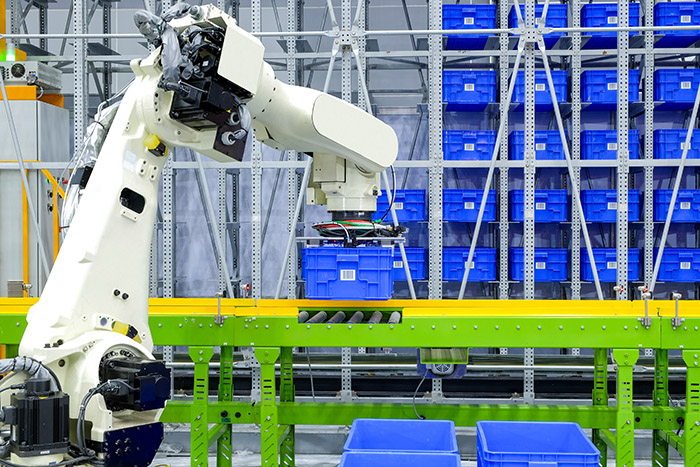
A research paper was released by two Harvard labor economists highlighted one of the coming decade’s most interesting talking points: the automated labor of the future. We are no strangers to the unique opportunities that adding robots can provide. What this paper sought to do was estimate the current effect of the introduction of robots on wages and employment, while also focus on the future they pose in industrial and manufacturing economies.
With this kind of research being conducted (with many more studies to be revealed for sure) and a spotlight put on the future robotic workforce, many with facilities that could use their services would be wise to discover how they can benefit. But what, exactly, should you be looking for?
Tags: labor, Robotics
Posted in Automation, Labor & Efficiency|
Moving, Reusing and Reconfiguring Conveyor Systems
December 11, 2018
by Scott Stone
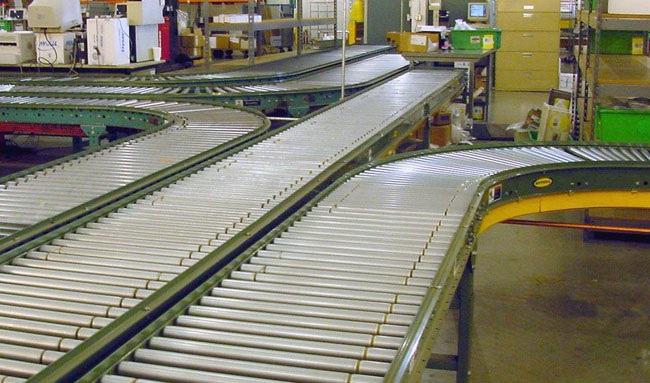
Some conveyors are specifically modular. They’re meant to be moved around, plugged in and reconfigured. But most conveyors are semi-permanent, and occupy space for extended periods of time. When you want to re-use existing conveyors in new roles, move all or part of a system between facilities, or just reconfigure an area using the equipment you already have, you can save money, but there are some things to know to help ensure everything works smoothly.
Tags: ROI
Posted in Conveyor Optimization|
How to Measure Conveyors
October 9, 2018
by Scott Stone
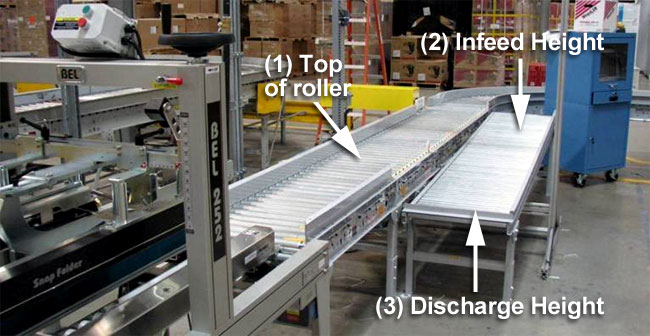
This is part three of our guide to measuring material handling equipment. When you want to lay out a conveyor, there are methods to measurement that can ensure the equipment fits where you need it to, interfaces with machinery, matches work station heights, and other critical measures.
Tags: Space Optimization
Posted in Conveyor Optimization|
A Step-by-Step Safety Process for Forklifts and Pedestrians
October 2, 2018
by Scott Stone
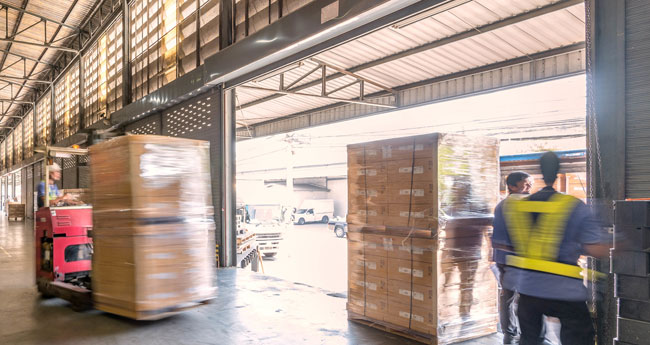
When it comes to protecting pedestrians from forklift accidents, focus on processes—the ways you segment, train, manage and work on a daily basis. Preventable accidents happen when a process is absent. When it comes to forklifts and pedestrians, accidents are far too common and frequently serious.
Tags: facility safety, forklift fatality, Process Management, warning systems, Safety & Ergonomics
Posted in Forklift - Pedestrian Safety|
A Video Guide to Extendable Conveyors
September 20, 2018
by Scott Stone
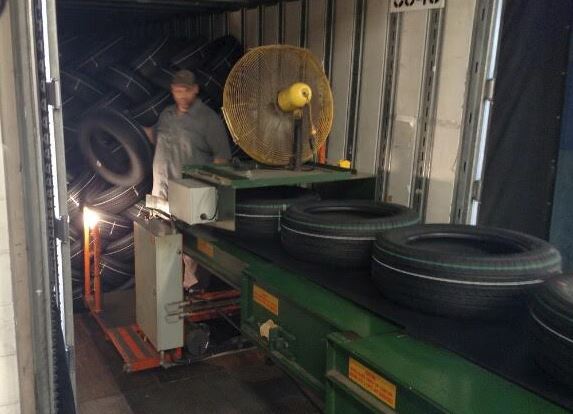
Warehouses have always had problems with the point in their material handling system where docks or shipping areas meet the production line. For lack of a better word, these are awkward areas where it’s difficult to handle product in that dead zone between the end of a material handling system and truck trailers.
Read the rest of this entry »
Tags: Video
Posted in Conveyor Optimization|
AisleCop: Pedestrian or Forklift Priority?
September 18, 2018
by Scott Stone
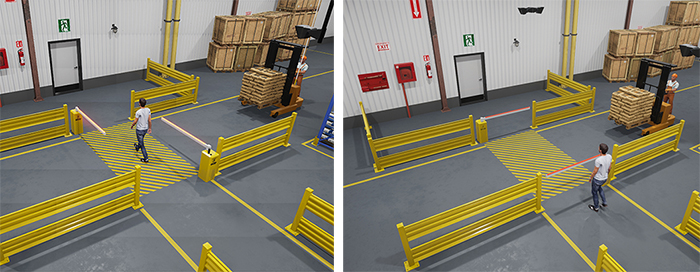
Above, left: pedestrian priority AisleCop system, where pedestrian gates default to open. On the right, forklift gates are open until the system triggers to allow a pedestrian to cross the aisle.
Forklift safety systems are usually designed to restrain pedestrians, not forklifts
The reasoning for this choice is simple: it’s the same one that usually allows cars to have the right-of-way on public streets.
It fits the operational needs of most warehouses and industrial facilities, but that’s not something that’s true in every case. Let’s go through your options for managing a pedestrian crossing in your facility using the AisleCop® system.
Posted in Forklift - Pedestrian Safety|
Pallet Rack Storage Ideas for Difficult Loads and Situations
August 30, 2018
by Scott Stone
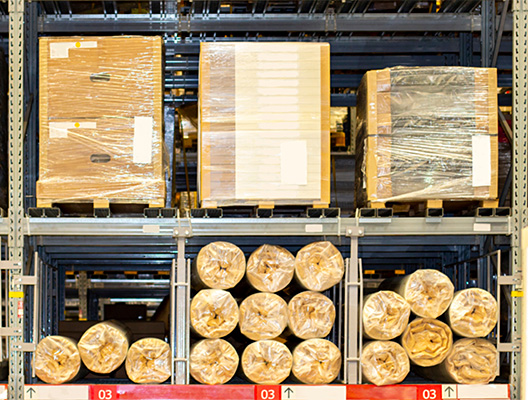
Pallet rack systems are more versatile than simply storing skids in high bays. Many of our clients need to store more specialized loads, such as rolls, dies, tubes, fragile items and more. With the right hardware and design, almost anything can be safely and efficiently stored.
Read the rest of this entry »
Posted in Pallet & Warehouse Racks|